
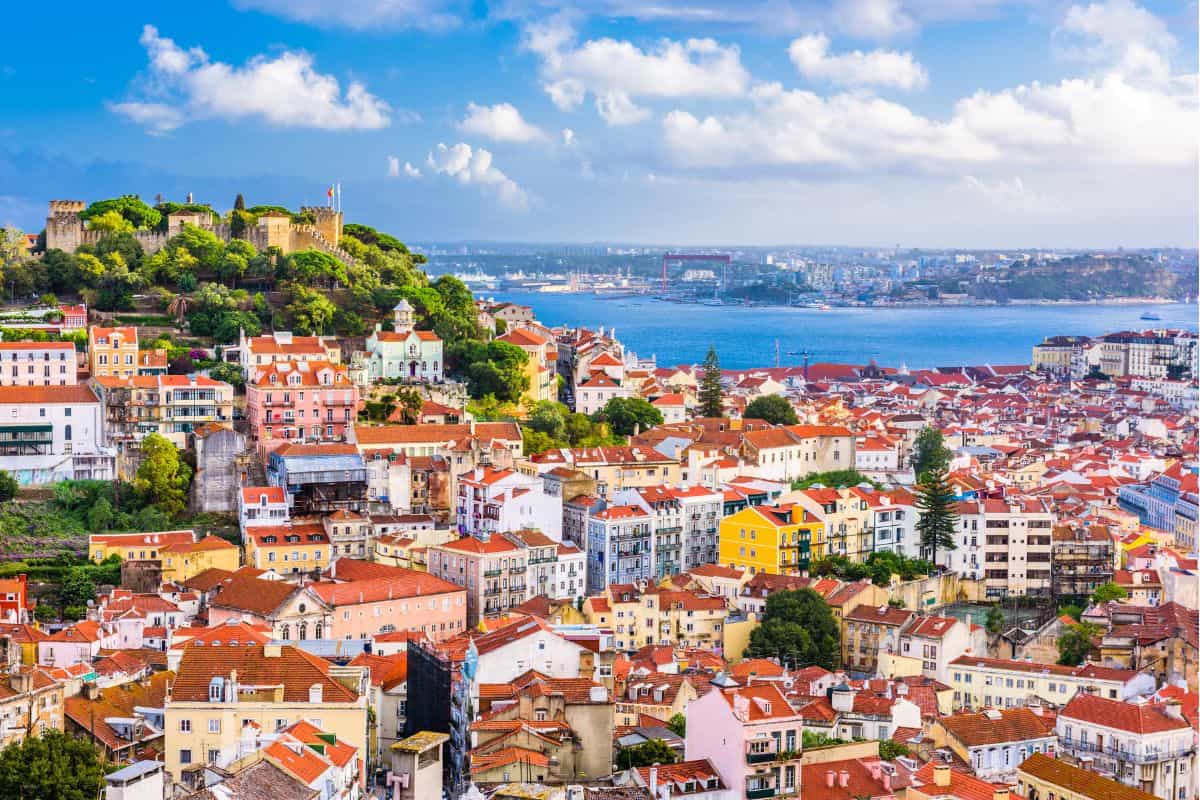
The Ultimate Lisbon Itinerary: 3 to 5 Days of History, Heritage, and Seven Hills
Planning a trip to Portugal and trying to build the perfect Lisbon itinerary? The biggest mistake most travelers make is not what they see. It is how they try to see it.
Lisbon is a city of seven hills. If you try to conquer them all in a day or two, zigzagging from landmark to landmark based on a “top 10” list, you will end up physically exhausted long before you understand the historical soul of the city.
I learned this during my first visit: Lisbon is not a city you “check off.” It is a city you read like a manuscript, moving from the medieval shadows of the eastern hills to the Enlightened grid of the lower city.
If you are still in the early planning stages, start with my deep dive into whether Lisbon is worth visiting. But if you’ve already booked your flight, the secret to a successful trip is working with the city’s natural flow.
This 3–5 day Lisbon itinerary is designed to help you explore intentionally, focusing on UNESCO World Heritage Sites and the fascinating engineering that keeps this city standing.
This page contains affiliate links. If you purchase through them, I may earn a commission at no extra cost to you. Thank you for supporting my travel content and helping me bring you more UNESCO-focused content!
Lisbon Planning Cheatsheet
Before we step onto the cobblestones, let’s get your logistics sorted. To travel “Stress-Free,” you must understand the terrain you are about to enter.
Lisbon at a Glance
| Day | Focus Area | Historical Theme | Heritage Status |
| 1 | Alfama & Baixa | 1755 Earthquake & Rebirth | Baixa Pombalina (UNESCO Tentative List) |
| 2 | Belém | Age of Discovery | Jerónimos & Belém Tower (UNESCO World Heritage) |
| 3 | Cultural Dive | Art, Tiles, and Modern Life | National Tile Museum (National Monument) |
| 4 | Sintra (Optional) | Romanticism | Cultural Landscape of Sintra (UNESCO World Heritage) |
| 5 | Évora (Optional) | Roman & Medieval History | Historic Centre of Évora (UNESCO World Heritage) |
If you want a structured introduction to the city’s layout and history, I recommend starting with a guided walking tour. Here are some highly rated tours:
- Free Walking Tours
- Small Group Walking Tour
- Famous Lisbon Tram 28 Tour
- Lisbon Hop-On-Hop-Off Bus Tour
Where to Stay: The “Direct Booking” Strategy
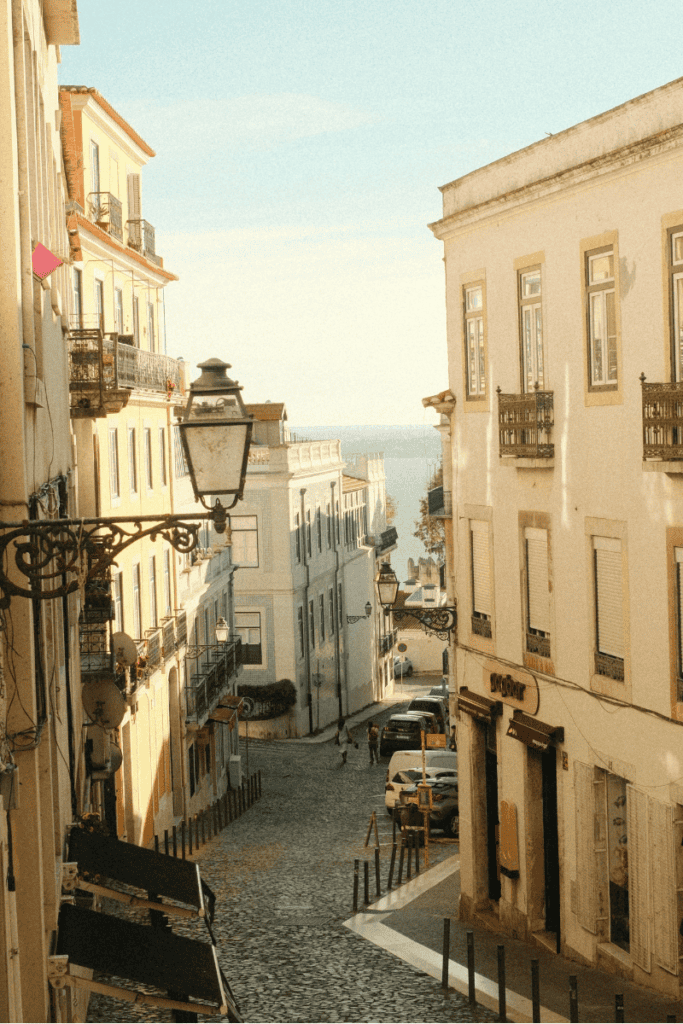
For a first-time visitor, staying in Chiado or Baixa is the most efficient way to navigate the city. These neighborhoods are centrally located and act as a natural “level ground” between the steep eastern and western hills.
However, how you book is just as important as where you stay. As a travel advisor, I always recommend that my clients book directly with the hotel.
The Danger of the “Third-Party Loop”
The biggest risk of using a third-party intermediary (like Expedia or Kayak) occurs when travel disruptions hit.
If a flight is canceled or an itinerary shifts, travelers who used a booking platform often find themselves trapped in a customer service loop. The hotel will refer you to the platform and the platform will refer you back to the hotel.
In these scenarios, you are often stuck dealing with automated chatbots or outsourced customer service representatives who lack the authority to make real-time changes.
By booking directly, you establish a one-to-one relationship with the property. If an issue arises, you speak directly to a human at the front desk who has the power to manage your reservation, honor a late arrival, or provide a refund.
Recommended Boutique Accommodations
- Luxury: Bairro Alto Hotel
The pinnacle of luxury on the border of Chiado. Booking directly ensures you work with their elite concierge team from day one. - Comfort Plus: AlmaLusa Baixa/Chiado
A boutique gem in an 18th-century building in Praça do Município. They prioritize “Portuguese-ness” and offer a “Best Price Guarantee” for direct bookings. - Literary Nerd Choice: Lisboa Pessoa Hotel
Inspired by the poet Fernando Pessoa. Direct booking often allows for specific room requests based on the “literary persona” of the floor. - Budget Boutique: Brown’s Boutique Hotel
Stylish, central, and functional right in the heart of the grid.
The Carry-On Only Mandate
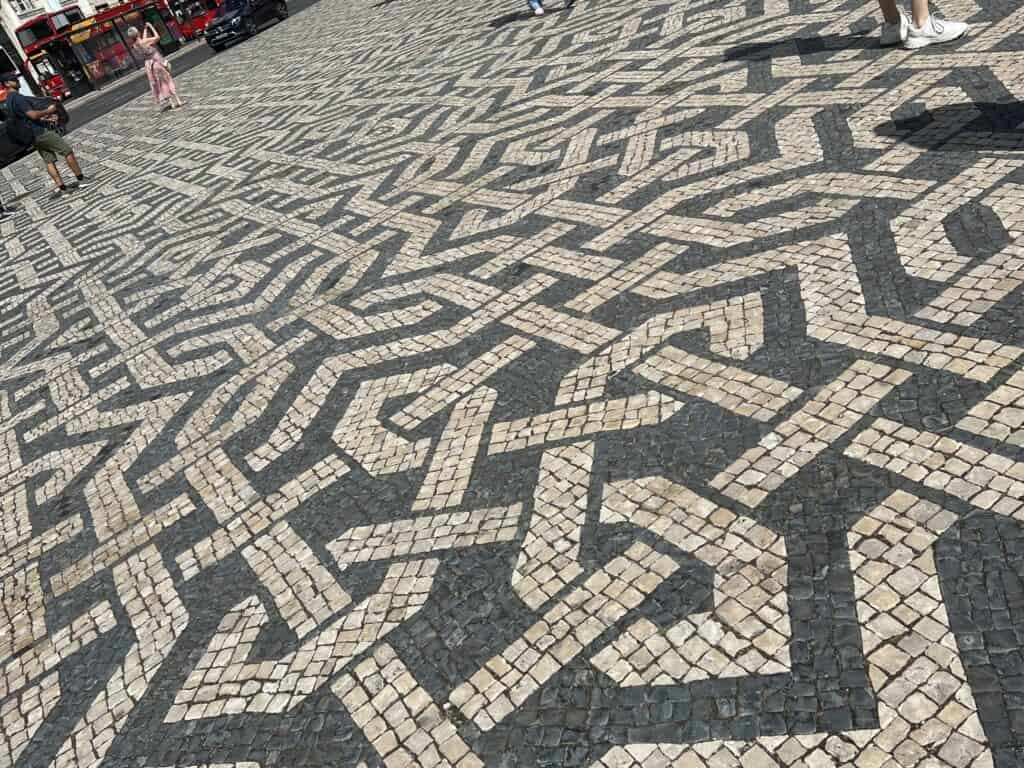
I cannot emphasize this enough: Lisbon is a carry-on only city. Dragging a 50lb checked suitcase over 18th-century calçada portuguesa (stone mosaics) is a recipe for broken wheels and frayed nerves.
I rely exclusively on the 5-4-3-2-1 rule:
- 5 Tops
- 4 Bottoms
- 3 Pairs of shoes (Wear your bulkiest pair on the plane!)
- 2 Layering items
- 1 Accessory
For the exact gear I use to make this work (from compression cubes to the best anti-theft bags) visit my Travel Resources page.
If you want to feel organized and prepared for any trip as well as silencing the “I hope I didn’t forget to do X” anxiety forever, The Confident Traveler is your personal AI Assistant and fillable workbook system, walking you step-by-step through every trip (including how to travel carry-on only).
Day 1 – Alfama, Baixa, and the Great Rebirth
Focus: The transition from Medieval Moorish Lisbon to Enlightenment Reconstruction
Pace: Moderate to high walking. Climb early, wander down.
Morning – Alfama and the Moorish Legacy
Start your morning in Alfama, the oldest neighborhood in Lisbon. Because Alfama is built on a solid bedrock of stone, iit is one of the few districts that survived the catastrophic 1755 earthquake.
Walking these streets feels like entering a time capsule. The narrow, winding passages and irregular layout are direct remnants of Islamic rule (700s–1100s). During this era, the Moors shaped the city’s identity, creating a community built on privacy and proximity.
The Logic of the Labyrinth Why are Alfama’s streets so confusing? Under Moorish urban planning, streets were designed for climate and defense rather than symmetry. These tight, winding passages create “wind tunnels” that cool the city in the summer. Defensively, they were a nightmare for invading armies, who would find themselves trapped in dead-ends or narrow alleys where they could be easily ambushed. You aren’t “lost” in Alfama; you are experiencing 1,000-year-old urban security.
Key Stops:
- Miradouro de Santa Luzia: Stop here for the iconic photo of red-tiled roofs cascading down toward the Tagus River.
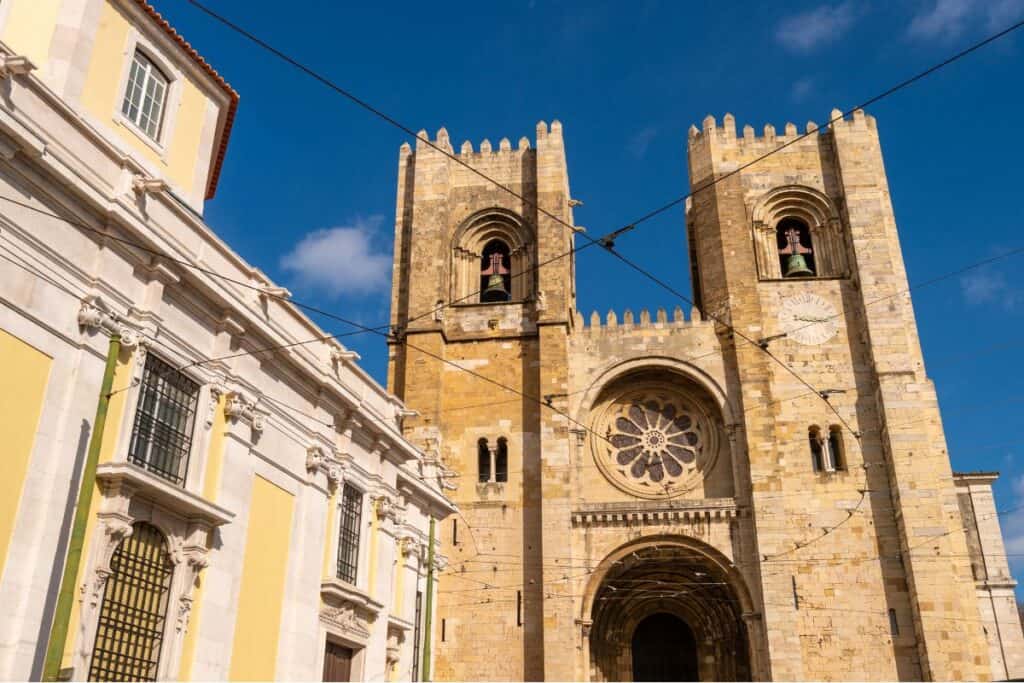
- Lisbon Cathedral (Sé de Lisboa): Notice the fortress-like architecture. It was built in 1147 following the Reconquista, which was the centuries-long campaign to retake the Iberian Peninsula. Constructed directly atop the city’s former Great Mosque, its defensive design served as a powerful symbol of the permanent shift in both power and faith.
Afternoon – The Enlightenment Grid of Baixa
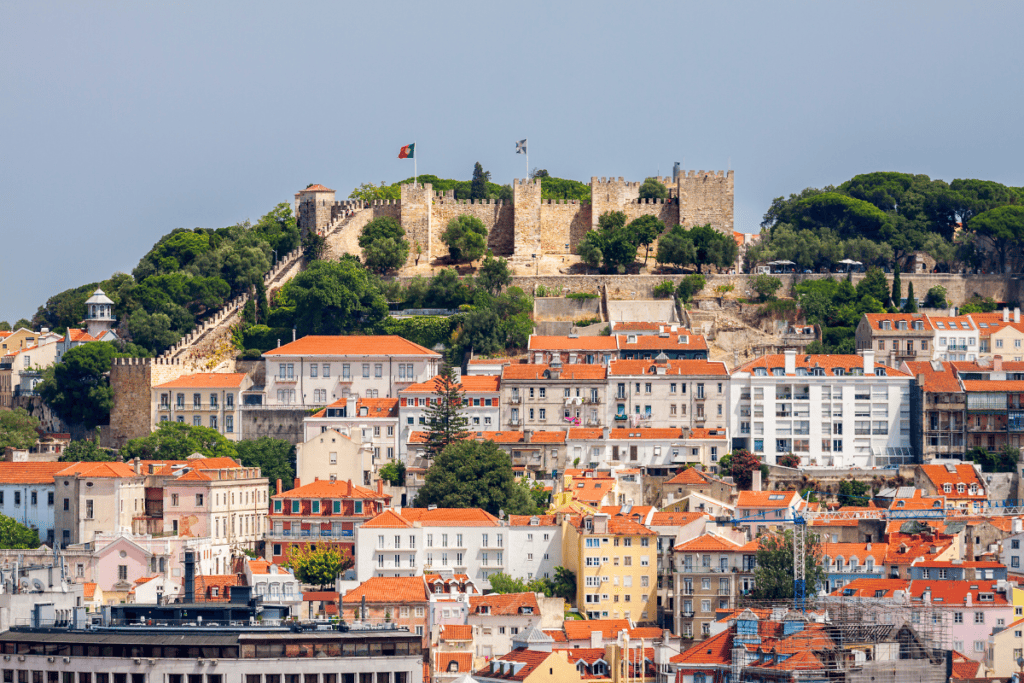
Take a tram (Tram 28 or Tram 12) to Castelo de São Jorge to save your legs for the views.
You can always do a skip the line tour of the Castelo de São Jorge with a tour guide, too.
After exploring the ramparts, begin your descent into Baixa.
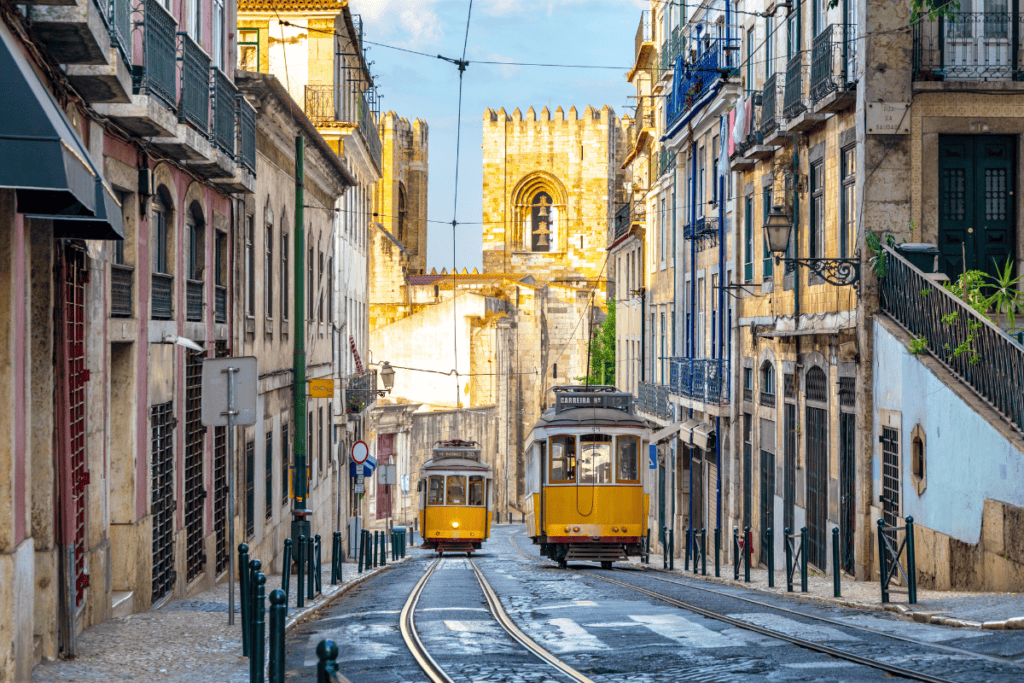
The contrast between Alfama and Baixa is the single most important nerdy detail in Lisbon. You are moving from a medieval maze into a rational, Enlightenment-era grid.
This shift happened because of November 1, 1755.
Nerd Alert: The Earthquake That Changed Philosophy
On All Saints’ Day, a massive earthquake, tsunami, and firestorm destroyed nearly all of lower Lisbon. Because it happened on a major religious holiday and destroyed the city’s grandest churches, it triggered a crisis of faith across Europe.
In the aftermath, the Marquis of Pombal ignored the old religious layouts and instead used Enlightenment principles of science, reason, and symmetry to rebuild.
Look for the “Pombaline Cage”: The buildings in Baixa were some of the first in the world to use anti-seismic engineering. Workers built a flexible wooden framework (the cage) inside the masonry so that the buildings would “sway” during an earthquake rather than snap.
Transitioning with the Santa Justa Lift
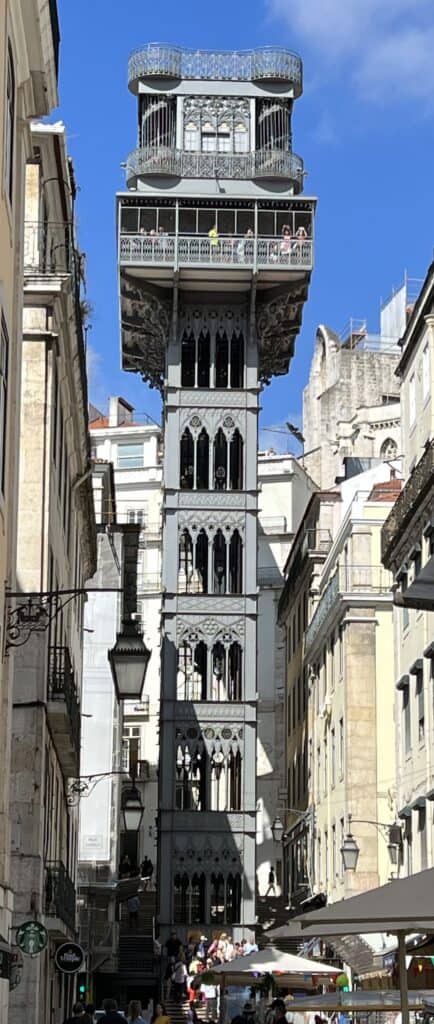
As you move from Baixa toward the high-end district of Chiado, you’ll encounter the Santa Justa Lift.
Designed by Raoul Mesnier du Ponsard (an apprentice of Gustave Eiffel), this neo-Gothic iron tower was completed in 1902. It wasn’t just a tourist attraction; it was a vertical bridge intended to solve the city’s massive elevation problems before the age of modern transit.
The Day 1 Finale:
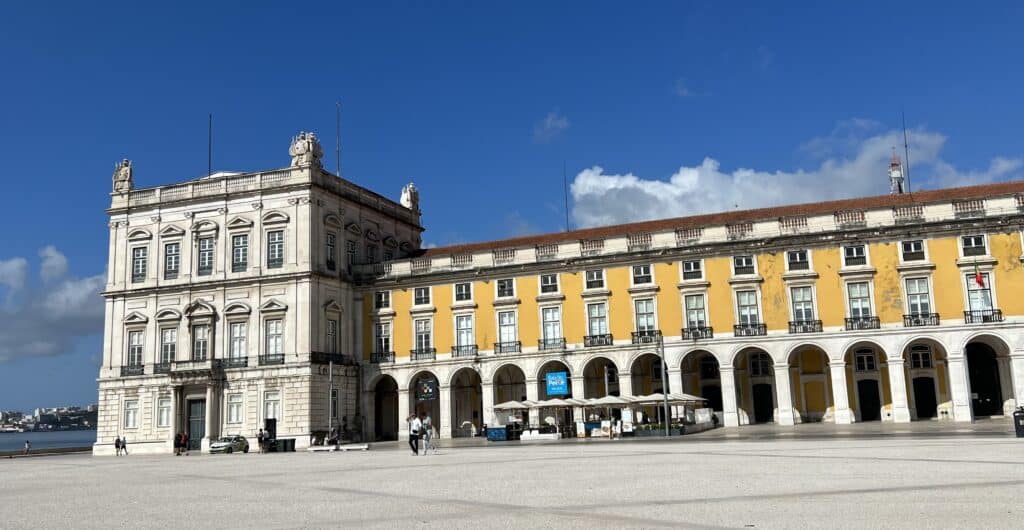
- Praça do Comércio: The grand ceremonial gateway to the river.
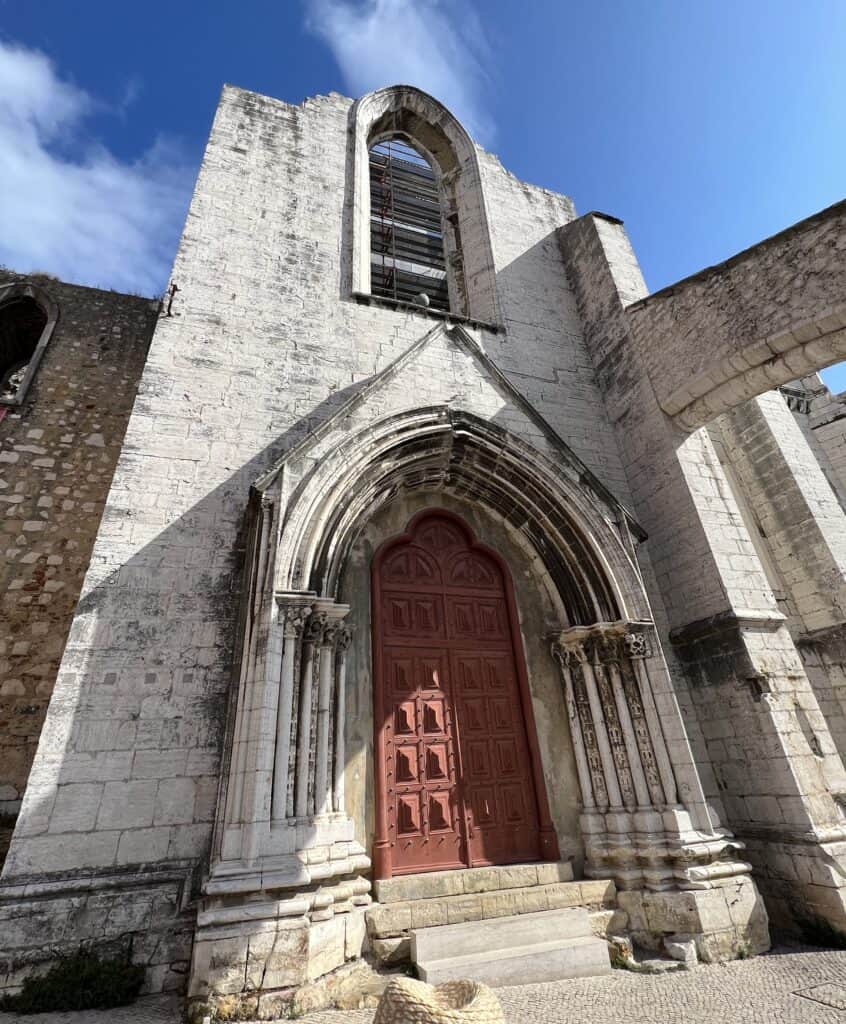
- Carmo Convent: Walk through the ruins of this Gothic church. It was never rebuilt after the 1755 earthquake. Look at the doorway as you enter; you can see a massive physical split in the stone where the earth literally tore the building apart.
Evening Recommendations
Day 2 – Belém and the Wealth of an Empire
Focus: UNESCO World Heritage Sites and the Age of Discovery.
Pace: Relaxed and flat.
Morning: The UNESCO Powerhouses
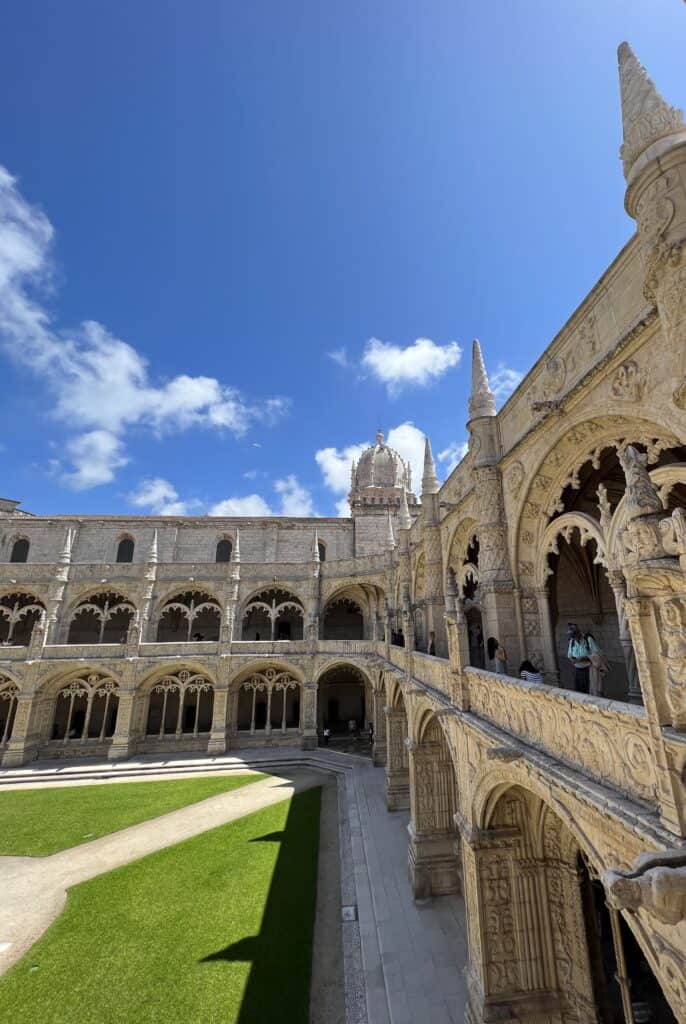
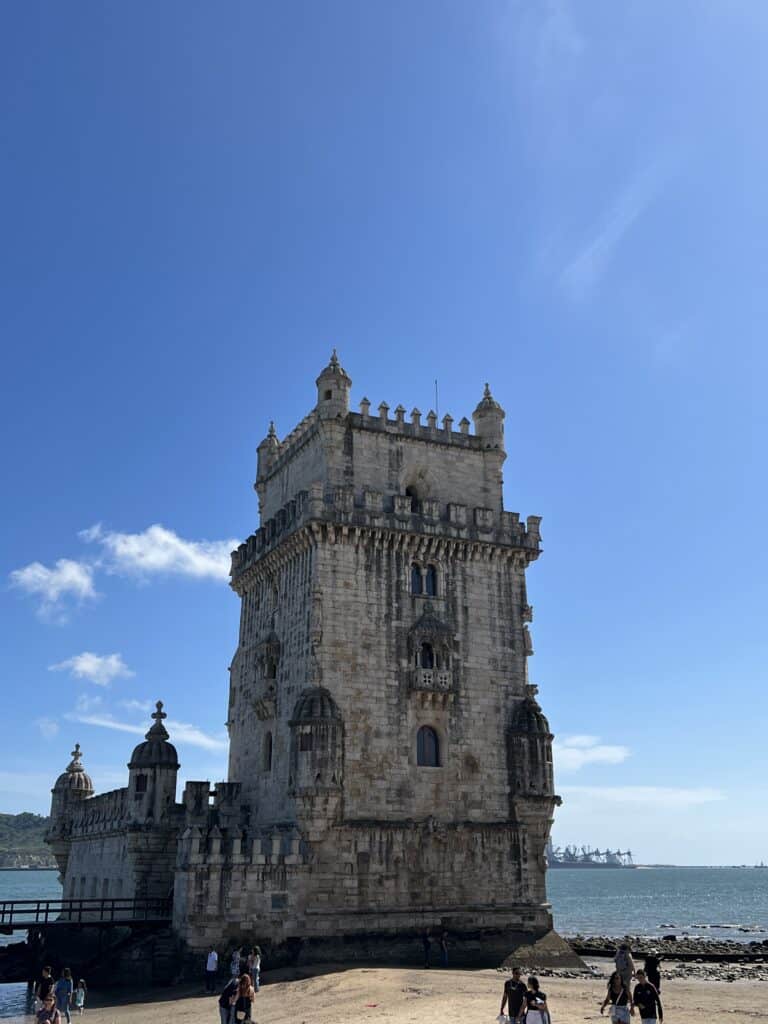
The Jerónimos Monastery and the Tower of Belém are the crown jewels of Portuguese heritage..
Day 2 takes you west along the river to Belém. While Day 1 was about survival and rebirth, Day 2 is about ambition and global reach. For a specialized guide to the architecture of this district, read my Lisbon UNESCO Sites Guide.
UNESCO Highlight: Manueline Architecture
This style is named after King Manuel I, famously known as “The Fortunate.” His reign coincided with the most successful period of Portuguese exploration.
Because the Crown took a percentage of the spice trade, Manuel became one of the wealthiest monarchs in Europe. He used that fortune to fund the Jerónimos Monastery.
What to look for: Look for stone-carved ropes, coral, and nautical instruments woven into the arches. It is a literal celebration of the Age of Discovery and the wealth of a seafaring empire carved into stone.
Recommendations:
Midday: The Custard Tart Origin Story
You cannot visit Belém without stopping at Pastéis de Belém.
Why Egg Yolks? In the 18th century, monks and nuns used massive quantities of egg whites to starch their habits. This left them with an enormous surplus of egg yolks. To avoid waste, they developed pastry recipes, leading to the creation of the pastel de nata.
This shop still uses the secret 200-year-old formula.

Afternoon: The Engineering of the Tagus
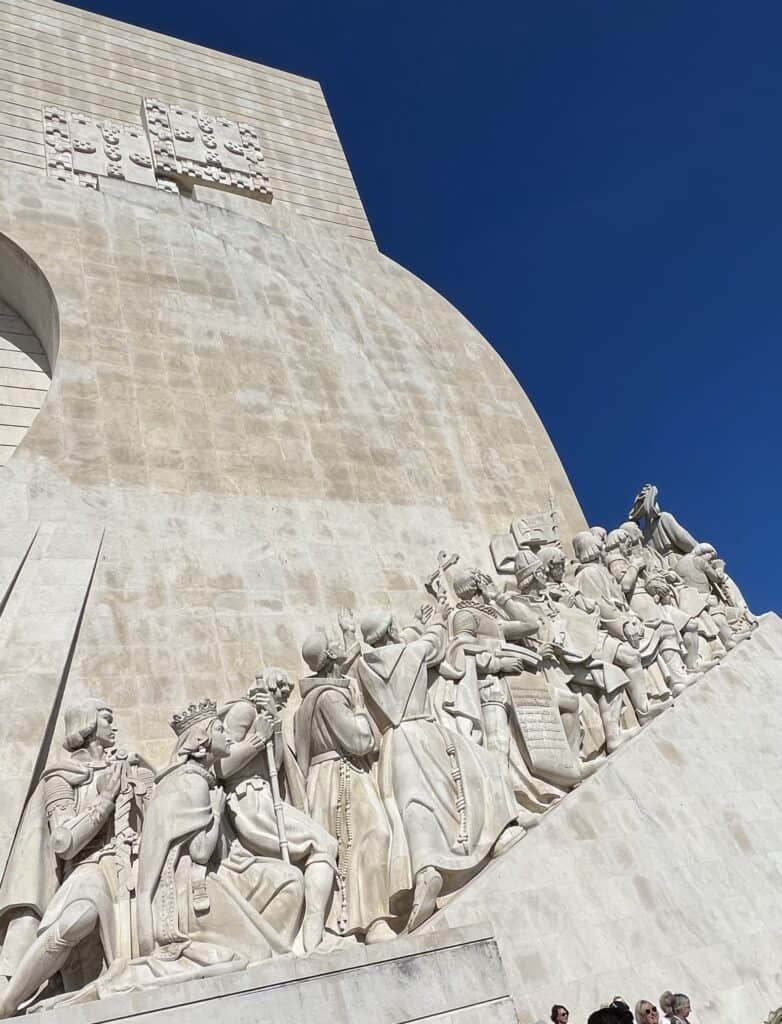
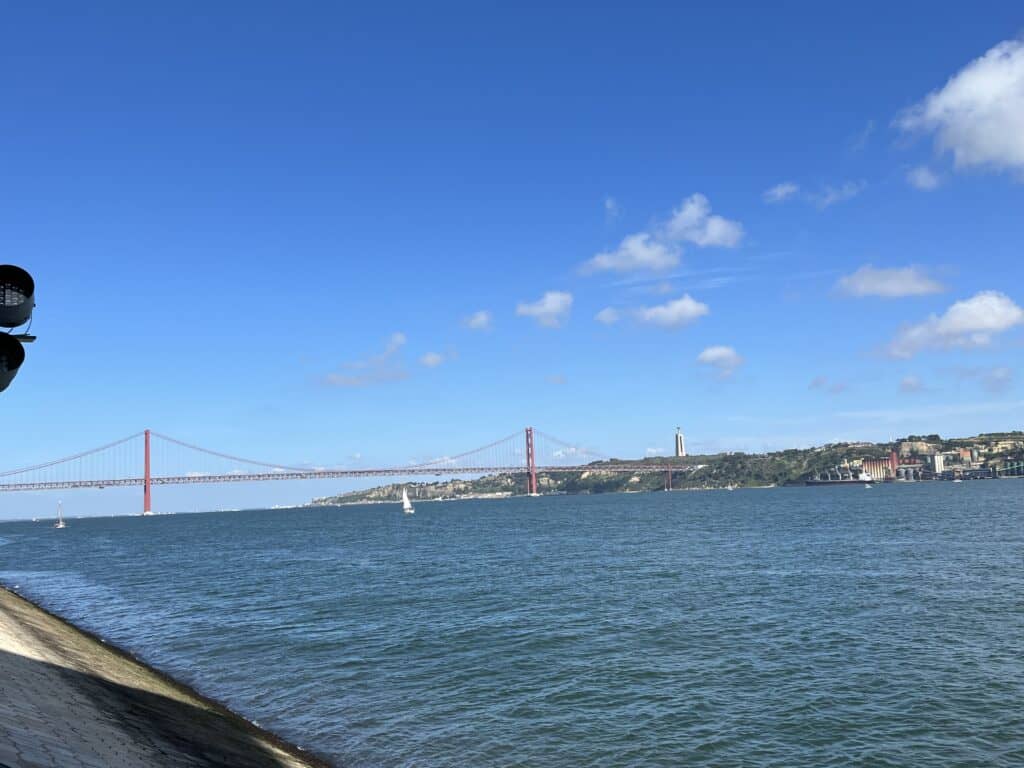
Walk along the waterfront to see the Monument to the Discoveries and look across the water at the 25 de Abril Bridge.
Prince Henry the Navigator stands at the prow of this massive stone ship, leading 32 legendary figures from the Age of Discovery – including explorers like Vasco da Gama, cartographers, and chroniclers – all gazing out toward the horizon.
Just beyond the monument, you can see the 25 de Abril Bridge serves as a monumental tribute to the Carnation Revolution of 1974, marking the peaceful military coup that overthrew 48 years of dictatorship and initiated Portugal’s transition to modern democracy.
Many people mistake notice the bridge’s strong resemblance to the Golden Gate Bridge. While it shares the same international orange color, it was actually built by the American Bridge Company, the same firm that built the San Francisco-Oakland Bay Bridge. The engineering is nearly identical because both cities face similar seismic risks.
Evening – Rooftop Drinks or Dinner
Watch the sunset from a miradouro or rooftop bar like Entretanto or Ponto Final across the river.
Day 3 – Azulejos, Literature, and the “Wildcard”
Focus: Cultural Identity and Local Life.
By Day 3, the hills should feel familiar. Today is about the textures and stories that make Lisbon unique.
The Art of the Tile: National Tile Museum
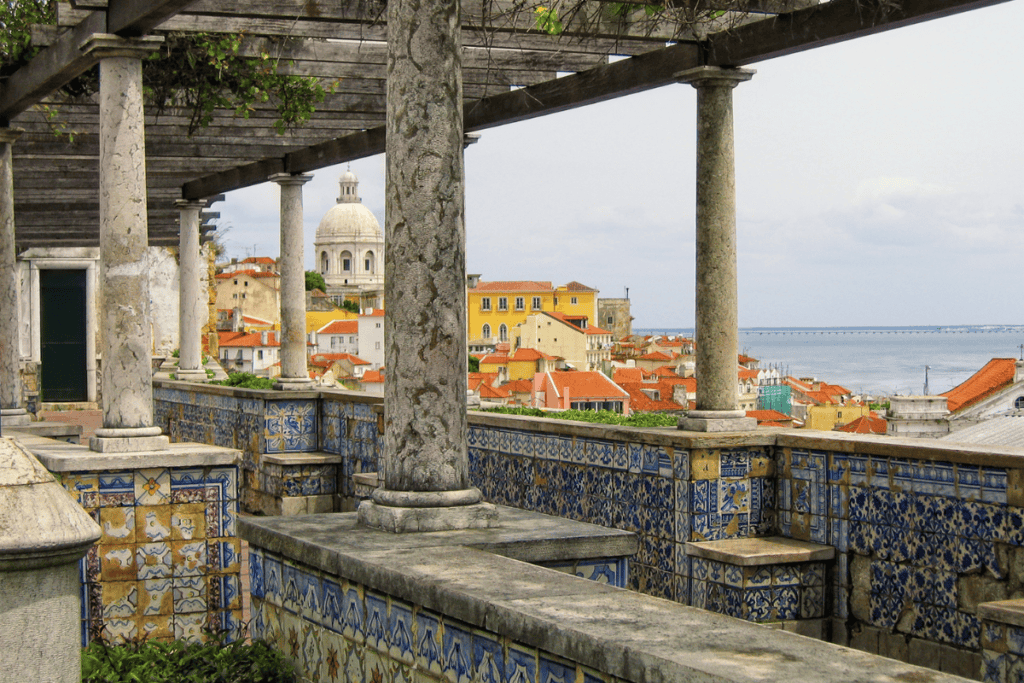
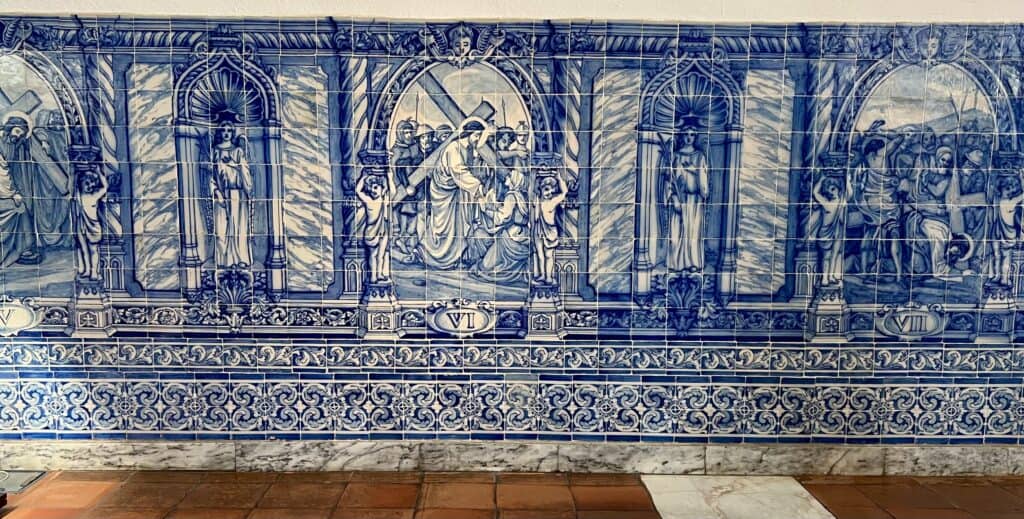
Housed in the 16th-century Madre de Deus Convent, the Museu Nacional do Azulejo is essential. Tiles (Azulejos) aren’t just decoration in Portugal; they are a medium for history.
Before my trip, I read the historical fiction novel Cut from the Earth, which follows the lives of tile painters in the days leading up to and after the 1755 earthquake. Standing before these centuries-old patterns after reading their story transformed the azulejos from simple art into a deeply personal connection to the people who literally rebuilt the city’s identity
Neighborhood Wander: Príncipe Real
Spend your afternoon in Príncipe Real. Visit the Embaixada, a neo-Moorish palace from the 1800s that has been converted into a boutique shopping gallery. It’s a perfect example of how Lisbon repurposes its architectural history for modern life.
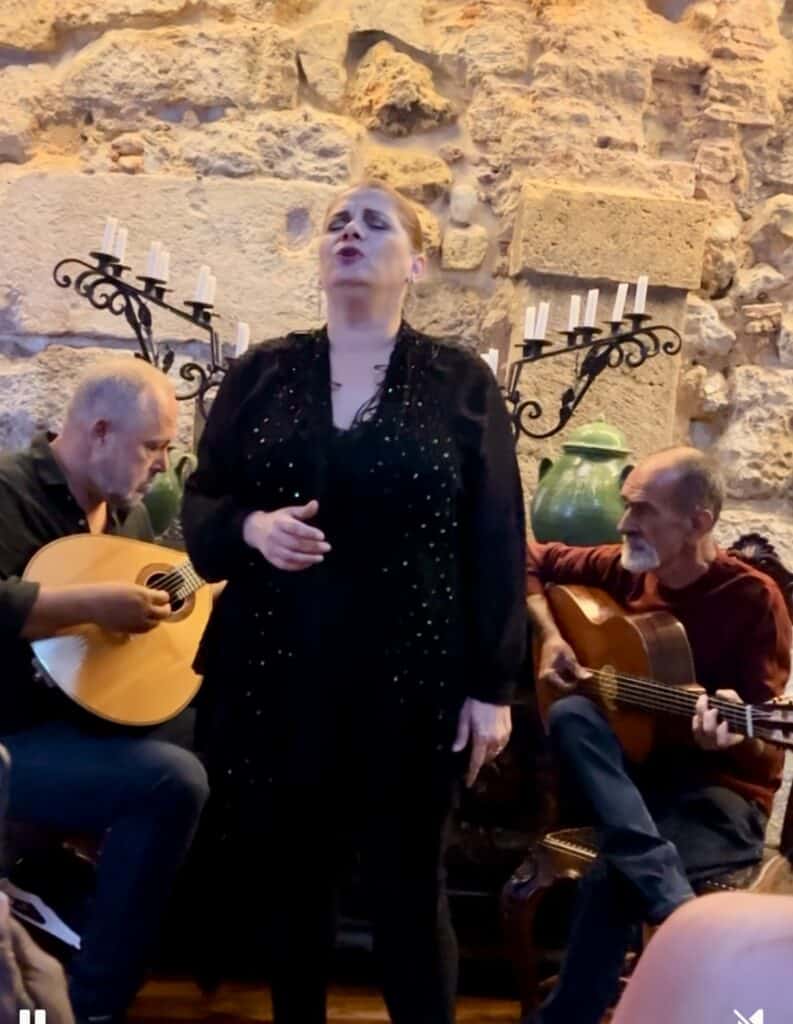
Evening Recommendation: Catch a Fado show in a Pombaline building.
Even if you don’t speak the language, the saudade (deep longing) in the music is universal.
Day 4 & 5: The UNESCO Day Trips
If you have the time, you must leave the city limits. For a detailed breakdown of transit and entry tips, check my guide to the Best Day Trips from Lisbon.
Optional Day 4: Sintra (UNESCO World Heritage)
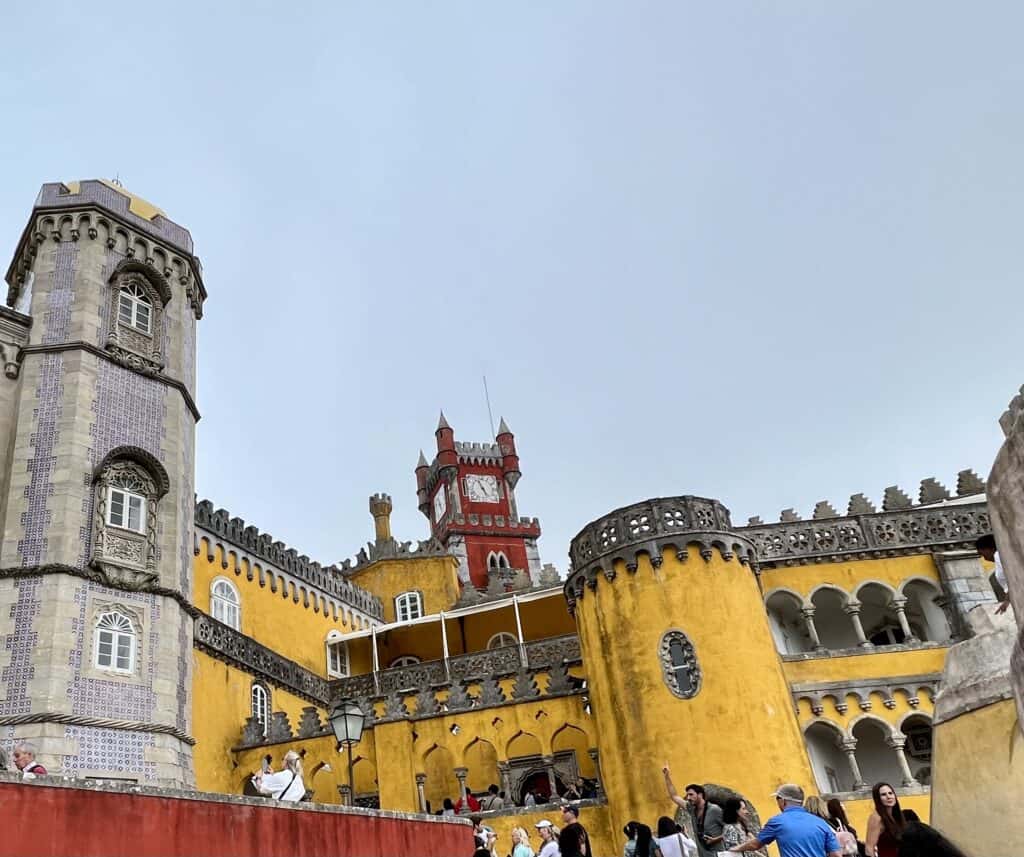
Sintra is a UNESCO Cultural Landscape. It is where 19th-century European Romanticism found its greatest expression.
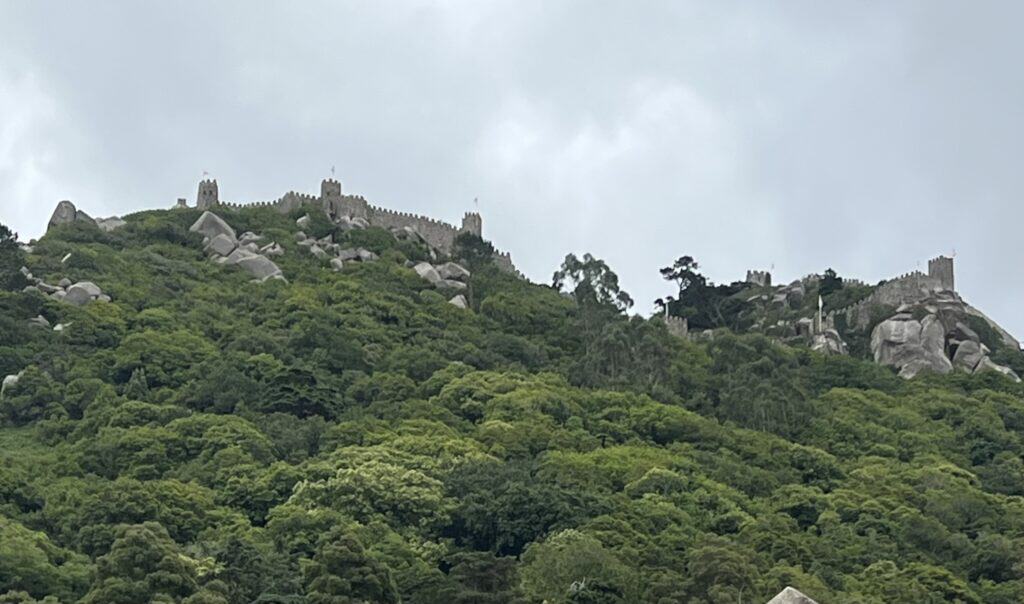
- Must See: Pena Palace (The “Disney” colors), Moorish Castle dating back to the 700s, and Quinta da Regaleira (Masonic symbolism and initiation wells).
- Logistics: Take the train from Rossio Station (40 mins).
- Half day guided tour of Sintra
- Half-day guided tour departing from Lisbon
Optional Day 5: Évora (UNESCO World Heritage)
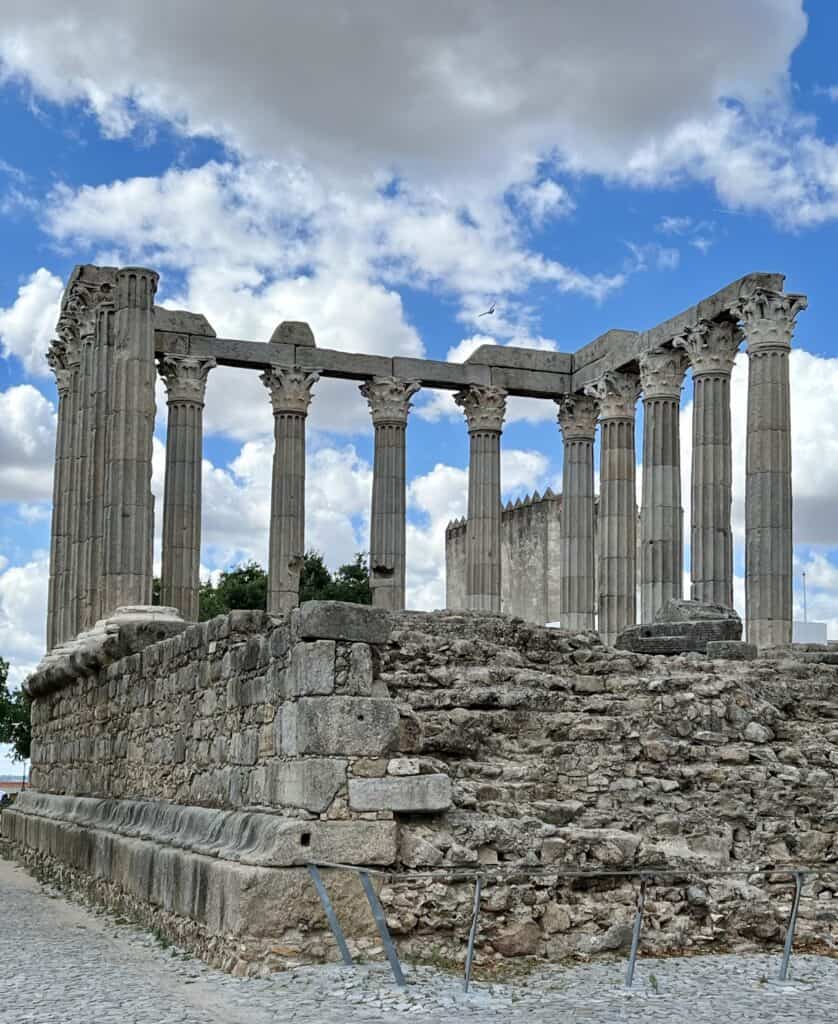
While Sintra is dramatic, Évora is grounding. It has been continuously inhabited since Roman times.
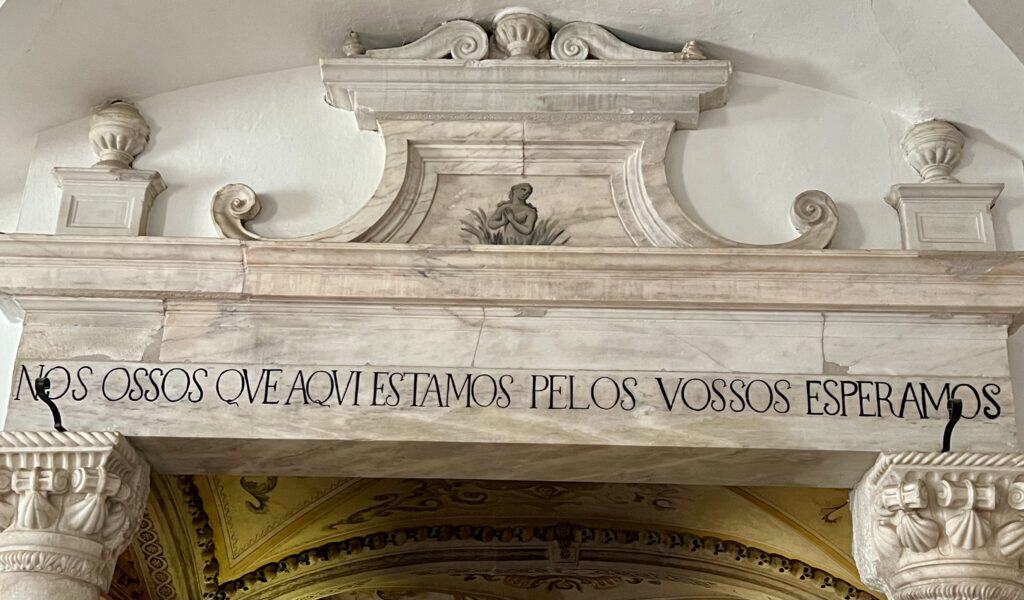
- Must See: The Roman Temple and the Chapel of Bones.
- Logistics: 1.5 hours by train or car.
- Small group walking tour of Evora
- Half-day guided tour departing from Lisbon
Lisbon Travel FAQ
Is the Lisboa Card worth it?
For the “Nerd Traveler,” yes. It covers the Santa Justa Lift, the historic 28 Tram, and most importantly, entry to the Jerónimos Monastery and the Tile Museum.
What is the best time of year for Lisbon?
For the best balance of weather and accessibility, aim for May or September. During these shoulder months, you’ll enjoy the legendary clarity of the Atlantic light, which is perfect for photographing the city’s tiles, without the punishing heat of the peak summer. This makes the constant hill-climbing significantly more comfortable and keeps the crowds manageable.
However, if you visit in June, as I did, prepare for a completely different energy. June is the month of the Festas de Lisboa, a city-wide celebration of the “Popular Saints.” While the atmosphere is incredible – filled with street parties, the scent of grilled sardines, and colorful decorations – it is also the loudest and most crowded time to visit. Be prepared for higher accommodation prices and a city that doesn’t sleep; it’s a fantastic cultural experience, but less ideal if you’re looking for a quiet, contemplative historical retreat.
Can I do Sintra and Cascais in one day?
Technically yes, but I don’t recommend it. To truly understand the “Cultural Landscape” of Sintra, you need at least 6 hours on the ground there alone.
Plan Your Portugal Adventure
Lisbon is often just the beginning of a journey through Portugal’s rich history. Explore these additional resources to round out your trip:
- Is Lisbon Worth Visiting?: A breakdown of why this city belongs on every history lover’s bucket list.
- Lisbon UNESCO Sites Guide: A specialized look at Belém Tower and the Jerónimos Monastery.
- Best Day Trips from Lisbon: From the palaces of Sintra to the Roman ruins of Évora.
- The Stress-Free Traveler’s Toolkit: See the exact gear I used to navigate Portugal with just a carry-on (Summer 2023).
Final Thoughts: The Trip That Stays With You
Lisbon is a city of layers. From the Moorish walls of Alfama to the Enlightenment grid of Baixa and the Manueline seafaring wealth of Belém, every street tells a story. By moving with the city’s natural flow and booking your stays directly to avoid travel headaches, you won’t just see Lisbon. You will understand it.
Want Help Planning Your Seamless Lisbon Trip? If you want a custom itinerary or want to skip the lines and find the hidden “Nerd” spots only locals know, I can help.