
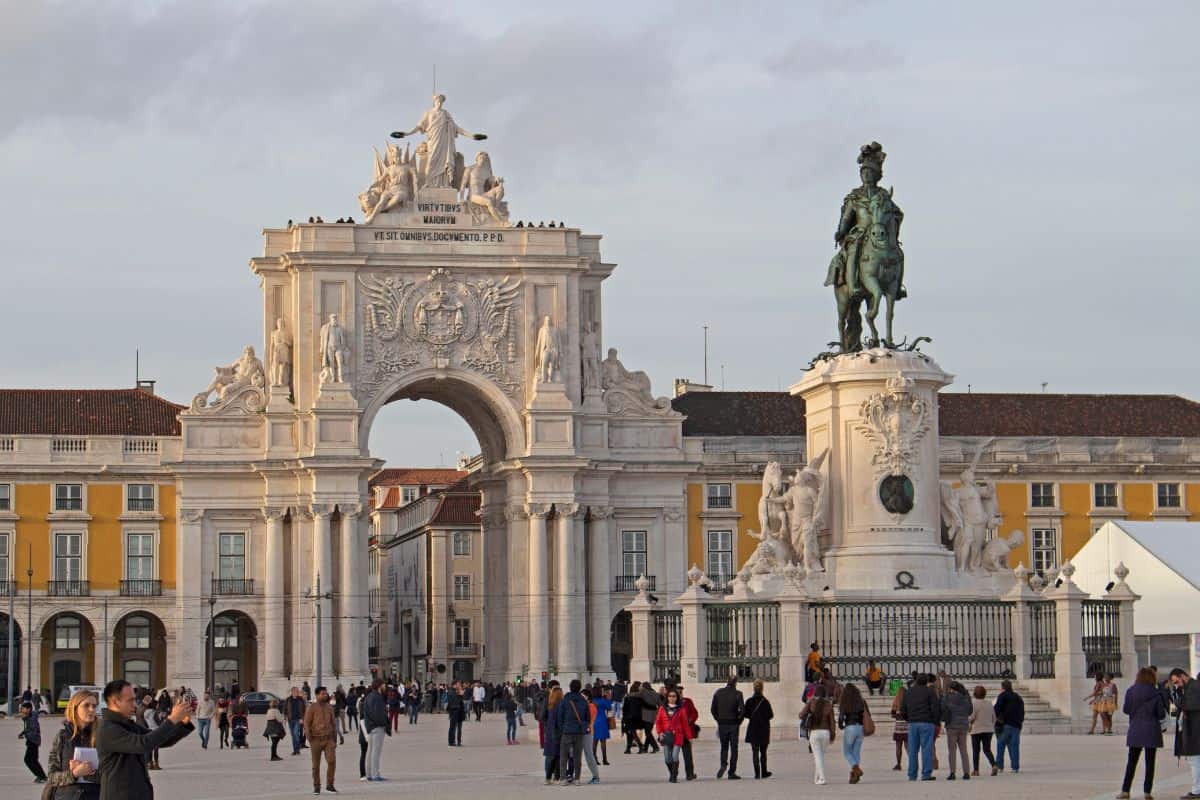
Is Lisbon Worth Visiting? A History Lover’s Guide to Portugal’s Capital
Is Lisbon worth visiting?
Absolutely — especially if you’re the kind of traveler who geeks out over UNESCO sites, painted tiles (azulejos), empires, and the philosophical aftermath of a devastating earthquake.
I visited Lisbon in June 2023 as part of a multi-city trip across Portugal. We spent four days in the capital before heading north to Porto, south to the Algarve, and looping back to Lisbon — and even after exploring the rest of the country, I found myself continually drawn back to Lisbon’s layered history and emotional depth.
This is a city that shaped the world. It launched explorers, ruled a global empire for centuries, and survived one of the deadliest earthquakes in recorded history. Yet for all that weighty legacy, Lisbon somehow still feels vibrant, livable, and intimate — full of coffee-scented mornings, painted tiles (azulejos), and rooftops that catch the last golden light of day.
If you’re visiting Portugal for the first time, Lisbon absolutely belongs on your itinerary. In this post, I’ll walk you through what makes Lisbon worth visiting — from its UNESCO World Heritage Sites to the quiet churches that bear witness to the tragedies and triumphs of history. You’ll also get a few of my favorite nerdy details (you won’t want to miss the roofless church that sparked a philosophical revolution), plus affiliate links to the book that inspired me, the walking tour that made history come alive, and the local guide who can help you build a trip just like mine.
Let’s dive into what makes Lisbon truly unforgettable — and why it should be your first stop in Portugal.
This page contains affiliate links—if you purchase through them, I may earn a commission at no extra cost to you. Thank you for supporting my travel content and helping me bring you more UNESCO-focused content!
Lisbon UNESCO Sites You Cannot Miss
If you’re the kind of traveler who gets chills standing in places recognized as treasures of human heritage — Lisbon will not disappoint. The city is home to two official UNESCO World Heritage Sites, each representing a different chapter in Portugal’s imperial and cultural legacy. But there’s more to explore just outside the city limits as well.
Here are the UNESCO sites I recommend prioritizing — including a few bonus destinations you can easily visit as day trips from Lisbon.
Monastery of the Hieronymites (Jerónimos Monastery)
Belém, Lisbon

Built to commemorate Vasco da Gama’s journey to India, this 1400s monastery is one of the most impressive examples of Manueline architecture — Portugal’s distinctive, seafaring Gothic style. Its stone carvings, maritime symbolism, and soaring cloisters reflect the power and ambition of Portugal’s Age of Exploration.
It’s also the final resting place of Vasco da Gama himself.

Pro Tip: After your visit, walk around the corner to Pastéis de Belém. This is where the original pastel de nata recipe was created by monks from the monastery. There are two lines: one to-go (fast) and one for seated table service (seat yourself — it’s bigger inside than it looks).
Nerd Alert: The monks began selling their secret custard tart recipe in the 1800s after the monastery was shut down. The same recipe is still used today — and nowhere else.

Tower of Belém
Waterfront, Belém District

Built as a defensive structure in the 1500s, the Tower of Belém once marked the edge of the known world. With limestone carvings of ropes, shields, and exotic animals, this smaller-than-expected tower was the last sight for many sailors heading toward the unknown.
Visit close to sunset if you can — the light off the river is unforgettable.
UNESCO Day Trips from Lisbon
Sintra
A UNESCO site in its entirety, Sintra is a fairytale village filled with palaces, gardens, and underground tunnels. Don’t miss Palácio da Pena and Quinta da Regaleira.

Évora
One of Portugal’s oldest towns, with Roman ruins, a Chapel of Bones, and Gothic cathedrals. It’s haunting and historic in the best way.
Coimbra
Known for being the home to University of Coimbra (founded in 1290 and one of the oldest universities in the world) and Joanina Library, it’s a perfect nerdy stop en route to Porto.
👉 Want to see how these fit into your trip?
Check out my Lisbon 3 day itinerary
What I Loved About Visiting Lisbon
Lisbon has a rhythm and spirit that are hard to capture in photos or guidebooks. It’s only when you walk its hills, hear Fado drifting from a doorway, or stand inside a roofless church open to the sky that it truly clicks into place.
Every Wall Tells a Story — in Azulejos
Painted tiles (azulejos) are everywhere — depicting saints, ships, kings, myths, and daily life. I especially loved how they made every wall feel alive. You’ll find them in metro stations, alleyways, and palaces.

Visit the National Tile Museum for a deep dive. (affiliate link)
The Viewpoints are Worth Every Hill
But the most moving perspective for me wasn’t from a hill — it was at the Monument to the Discoveries in Belém. Inlaid in stone is a massive world map showing all the colonies and trade routes claimed by Portugal. It made me think about the courage and consequence of launching into the unknown in the 1400s.
Alfama Feels Like a Living Museum
Old ladies chatting through open windows. Laundry fluttering across narrow streets. The smell of grilled sardines. Alfama is layered, lived-in, and still deeply local.
The Food Was Both Comforting and Surprising
Grilled octopus. Seafood rice. Endless pasteis de nata. Lisbon’s food scene is simple, affordable, and packed with flavor. Don’t miss Time Out Market for curated bites from top chefs.
The City Balances Tragedy and Beauty
Standing in the Carmo Convent, I felt the weight of the 1755 earthquake that shook Lisbon (and the Western world). The fact that the roof was never rebuilt makes it even more powerful — history left open to the sky.

What People Often Miss About Lisbon (But Shouldn’t)
A Church Without a Roof — and a City Shaken to Its Core
The Carmo Convent is a haunting reminder of the All Saints’ Day earthquake. Enlightenment thinkers like Voltaire used the tragedy to question divine justice — making Lisbon a philosophical turning point in Europe.
Nerd Alert: I read Cut from the Earth (affiliate link) before my trip — a historical novel about tile-making and the earthquake — and it transformed the way I saw both the city and its azulejos.
The Layered Legacy of Empire — Told in Stone and Tile
From the Monument to the Discoveries to the painted tiles (azulejos) of Alfama, Lisbon honors — and wrestles with — its global empire. This is the longest-running empire in history, and its story is told not only in museums, but in walls and sidewalks.
Fado Isn’t Just Music — It’s a Mood
I didn’t understand the lyrics, but I didn’t need to. Fado music feels like mourning and memory — and in a city like Lisbon, where beauty and sorrow intertwine, it just makes sense.
Consider booking a Fado dinner experience (affiliate link) or museum visit while in Lisbon.
How to Experience Lisbon Without Feeling Rushed
Let the Neighborhoods Lead the Way
Explore Lisbon by neighborhood — not checklist. We stayed just north of Chiado and walked almost everywhere.
Walk, Wander, Repeat
The city rewards curiosity. Walk slow, look up, look down. The Portuguese pavement (calçada portuguesa) — those black-and-white mosaic stones — turn every sidewalk into art.

Pack good walking shoes. Lisbon is a city of beautiful, slippery cobblestones.
Build In Time for Serendipity
Leave space in your day to get lost. Lisbon is full of surprises — and the best ones aren’t on a map.
Let a Local Show You the Layers
Take at least one guided walking tour.
Book one here (affiliate link)
Or contact me — I’ll connect you with our private guide.
So… Is Lisbon Worth Visiting? (Spoiler: Yes)
If you’re a traveler who finds joy in azulejos, meaning in ruins, and magic in the layers of time — Lisbon isn’t just worth visiting. It’s essential.
It’s a city of tension and tenderness, of light and loss. It’s philosophy in the rubble and poetry in the pavement. It’s a place that invites you to notice.
Ready to Go Deeper?
Let’s Plan Your Nerdy Lisbon Trip
I work one-on-one with travelers to build soulful, history-rich itineraries. Whether you want to retrace the Age of Discovery or explore tiled alleyways with a local guide — I’ve got you.