
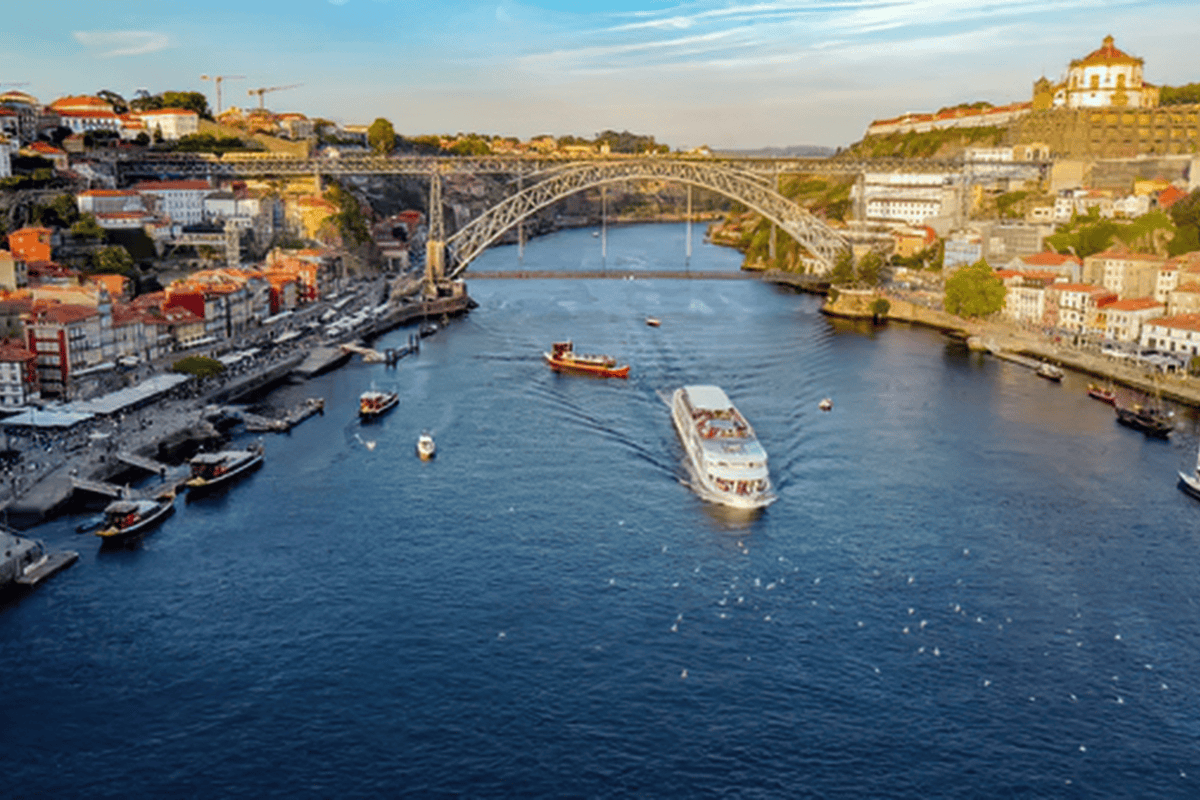
3–5 Day Porto Itinerary: A Slower, More Meaningful Plan
Planning a trip to Portugal and trying to figure out the perfect Porto itinerary? The biggest mistake most travelers make is not how they plan Porto but how little time they give it.
I spent three nights in Porto during a larger Portugal trip in June 2023, and while I saw a lot, it never quite felt like enough. Between walking the city’s steep, winding streets, getting completely absorbed in places like São Bento Train Station, and trying to squeeze in both Porto and Vila Nova de Gaia in the same day, it became very clear: Porto is not a city you rush.
If you want to truly experience it, and not just check off landmarks, you need a plan that allows the city to unfold naturally.
This 3–5 day Porto itinerary is designed specifically for travelers who want more than just the highlights. It follows a logical north-to-south walking route through Porto’s UNESCO-listed historic center, builds in time to explore the Douro River and wine culture properly, and includes optional day trips to places like Guimarães, Braga, and the Douro Valley and beyond.
Click here for my complete guide to the best day trips from Porto.
Along the way, I will also show you what I would do differently, including how to avoid cramming too much into one day and how to pace your time between Porto and Gaia.
Whether you have 3 days or a full 5, this itinerary will help you experience Porto in a way that feels intentional, immersive, and far more rewarding than a rushed visit.
This page contains affiliate links. If you purchase through them, I may earn a commission at no extra cost to you. Thank you for supporting my travel content and helping me bring you more UNESCO-focused content!
How to Plan Your Porto Itinerary
Before diving into the day-by-day plan, it is important to understand how Porto works as a destination—because it is not a city you can approach the same way you would a larger, more fast-paced capital.
How Many Days Do You Need in Porto?
The ideal Porto itinerary is 3 to 5 days, depending on how deeply you want to explore.
- 3 days gives you enough time to experience Porto itself—its historic center, riverfront, and wine culture
- 4–5 days allows you to add meaningful day trips to places like Guimarães, Braga, or the Douro Valley.
See all 10 days trips from Porto here.
If you try to do Porto in 1–2 days, it will likely feel rushed. You will see the highlights, but you may miss the depth that makes the city special.
Why This Itinerary Follows a North-to-South Route
One of the easiest ways to explore Porto is to work with the city’s natural layout, not against it.
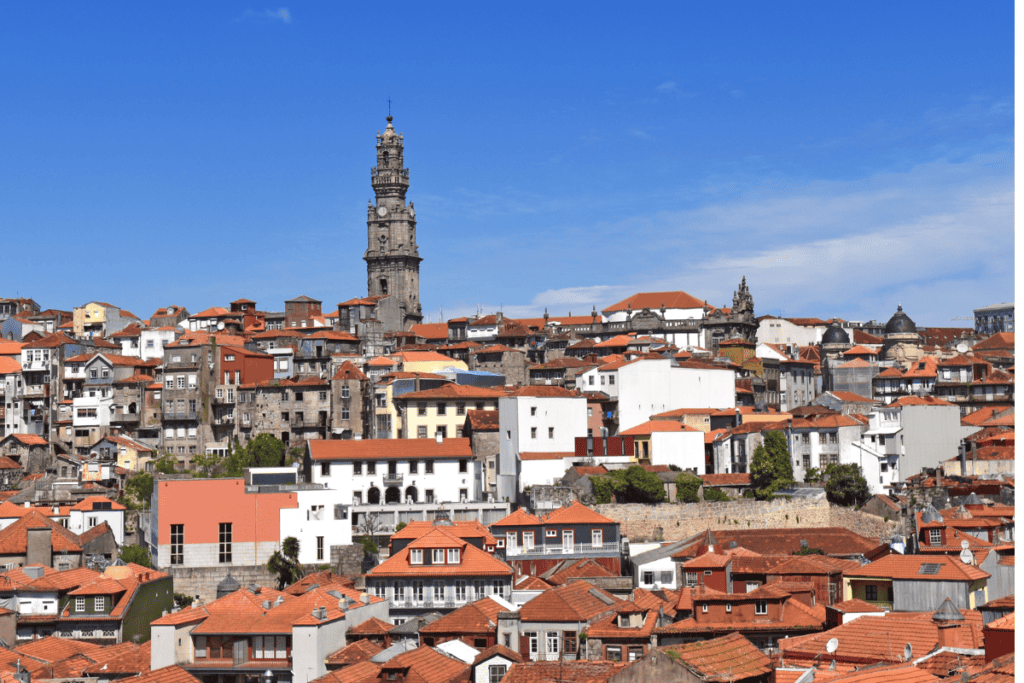
Porto is built on hills, and many of its most important landmarks sit at higher elevations above the Douro River. This itinerary starts in the northern part of the historic center and gradually works its way downhill toward Ribeira and the riverfront.
This approach:
- Makes walking more manageable
- Creates a natural flow through the city
- Helps you experience Porto in a way that feels intentional rather than scattered
Porto Is Walkable—But Be Prepared
Porto is a very walkable city, but it is not always an easy one.
The hills are constant, and distances can feel longer than they appear on a map. Between the elevation changes, the heat in warmer months, and the cobblestone streets, you will want to plan for:
- Comfortable walking shoes
- Time for breaks
- A slower pace than you might expect
This is part of the experience. But it is something to plan for in advance.
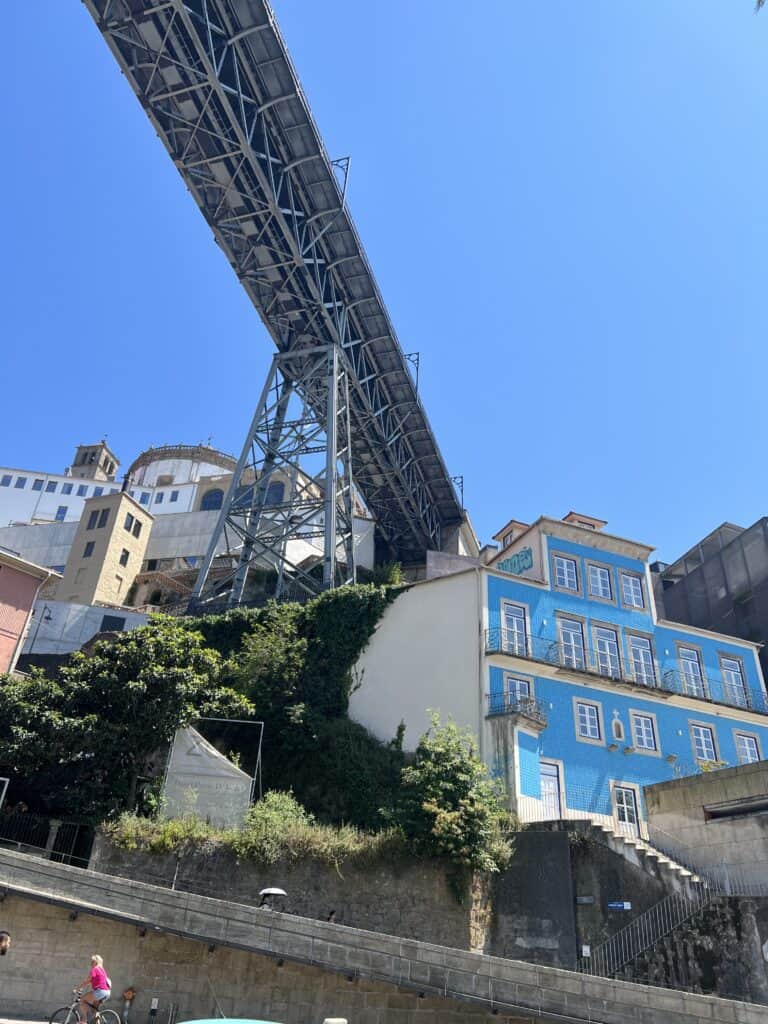
That said, there are a few ways to make getting around easier. Porto has a funicular near the Guindais area that connects the riverfront to the upper part of the city, which can save you from one of the steeper climbs.
Over in Vila Nova de Gaia, there is also a cable car that runs along the river and up toward the bridge, offering both transportation and panoramic views.
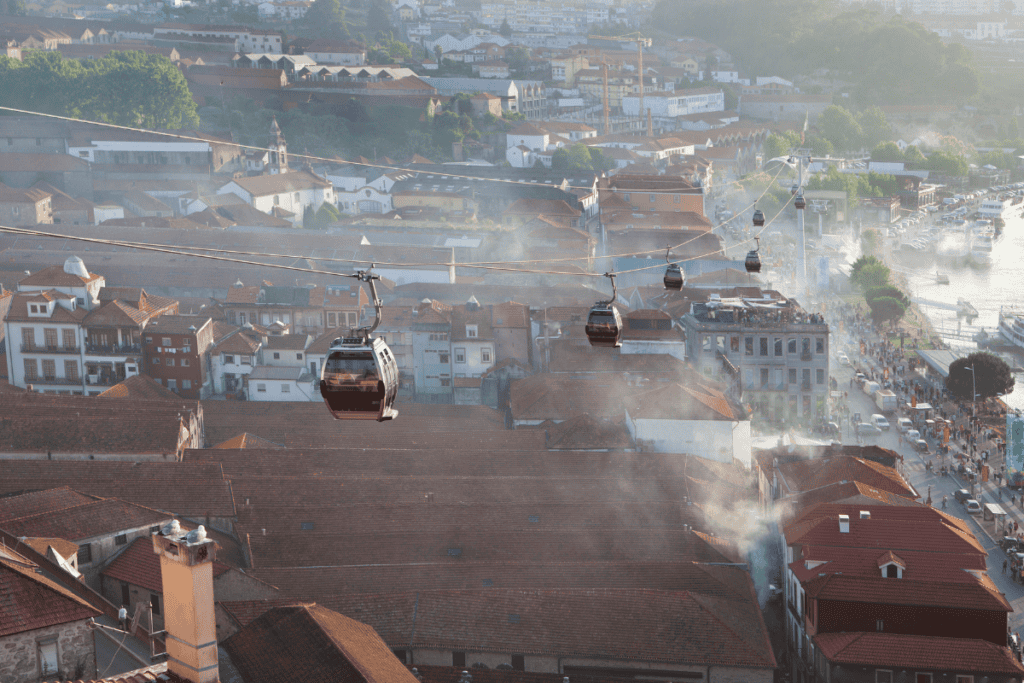
You do not need to rely on these, but they can be helpful. Especially if you want to conserve energy or experience the city from a different perspective.
Do Not Try to Do Everything in One Day
If there is one mistake I made during my trip, it was trying to combine too much into a single day. Especially when it came to exploring both Porto and Vila Nova de Gaia.
While it is possible to cross the river and do a wine tasting after a full day of walking, it can quickly become overwhelming. You end up moving from place to place without fully understanding what you are seeing.
This itinerary is designed to avoid that.
Instead of cramming everything together, it:
- Separates Porto and Gaia into different days
- Builds in time to slow down
- Prioritizes depth over speed
Who This Porto Itinerary Is Best For
This itinerary is designed for travelers who:
- Enjoy history, architecture, and cultural context
- Prefer a slower, more immersive travel style
- Want to understand why places matter—not just see them
Day 1 At a Glance
- Twin Churches (Igreja do Carmo and Igreja dos Carmelitas)
- Fountain of the Lions
- Livraria Lello
- Clérigos Tower
- Majestic Café
- Bolhão Market
- São Bento Train Station
- Igreja do Santa Clara
- Sé do Porto
- Muralha Fernandina
- Ribeira Square
Day 1: Walk Porto from North to the River
If that sounds like you, Porto will be incredibly rewarding.
If you only have one full day in Porto, this is how I would spend it.
This route follows a north-to-south path through the historic center, gradually working downhill toward the Douro River. It is one of the most natural ways to experience the city—and one that helps everything connect as you go.
👉 Optional: Take a Guided Porto Walking Tour
If you prefer to explore Porto with more structure or deeper historical context, this is a great day to join a guided walking tour instead of navigating everything on your own.
Some highly rated options include:
- Half-Day Porto Walking Tour with Local Guide
- Private Porto City Tour (Customizable)
- Guided Tuk Tuk Tour
- Porto Free Tour: History, Culture, Local Life
This can be especially helpful if you want more insight into the history behind the landmarks you are seeing.
Start at the Twin Churches (Carmo + Carmelitas)
Begin your day in the northern part of the historic center at the Igreja do Carmo and Igreja dos Carmelitas, often referred to as the Twin Churches.
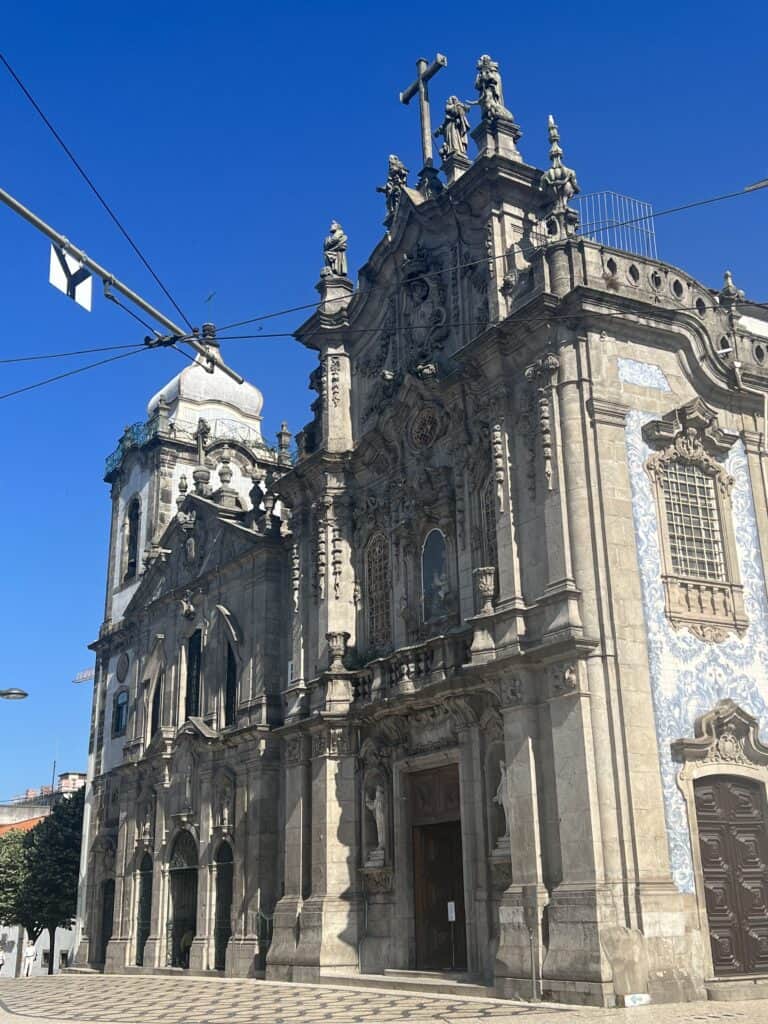
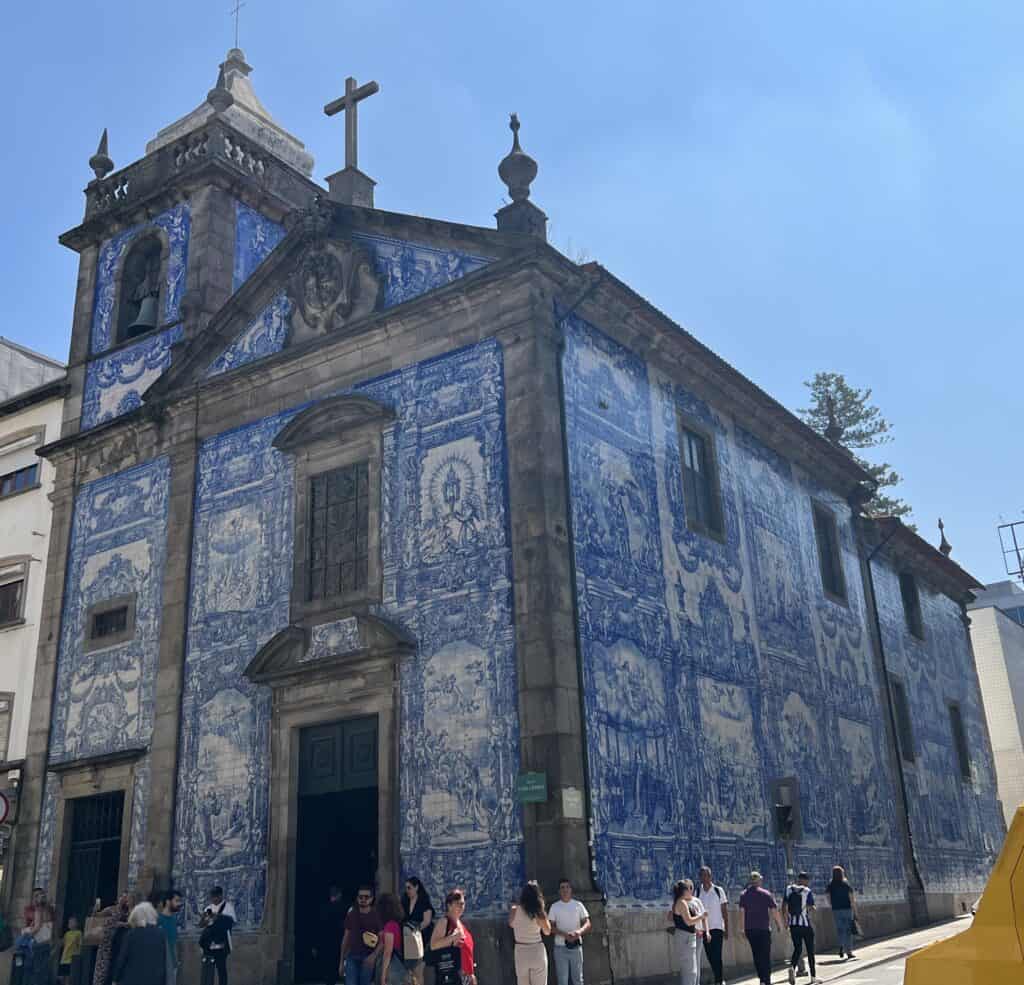
These two churches sit side by side, separated by one of the narrowest houses in Porto, and immediately introduce you to the kind of architectural detail you will see throughout the city. The azulejo-covered exterior of the Carmo church is especially striking and sets the tone for the day ahead.
Just nearby, you will also find the Fountain of the Lions (often called St. Mark’s Fountain). While it is easy to overlook, it adds another layer to this starting point. The fountain reflects Porto’s 19th-century urban development and European influences, with its sculptural design echoing styles you might expect to see in cities like Paris.
It is a small detail, but it reinforces something you will notice throughout Porto: this is a city shaped not only by its own history, but also by broader cultural and architectural connections across Europe.
Stop by Livraria Lello (Optional, but Iconic)
Just a short walk away is Livraria Lello, one of the most famous bookstores in the world and one of Porto’s most visually striking interiors.
Even from the outside, it is clear this is not an ordinary bookstore. But inside, the space is almost theatrical, with sweeping staircases, carved wood details, and stained glass that make it feel closer to a historic landmark than a place to buy books.
It is also often associated with J.K. Rowling, who lived in Porto in the early 1990s while teaching English. Many people believe that elements of the bookstore, particularly its dramatic staircase and atmosphere, inspired aspects of the Harry Potter series.
While that connection is widely discussed, it is not officially confirmed. That said, once you see the interior, it is easy to understand why the comparison exists.
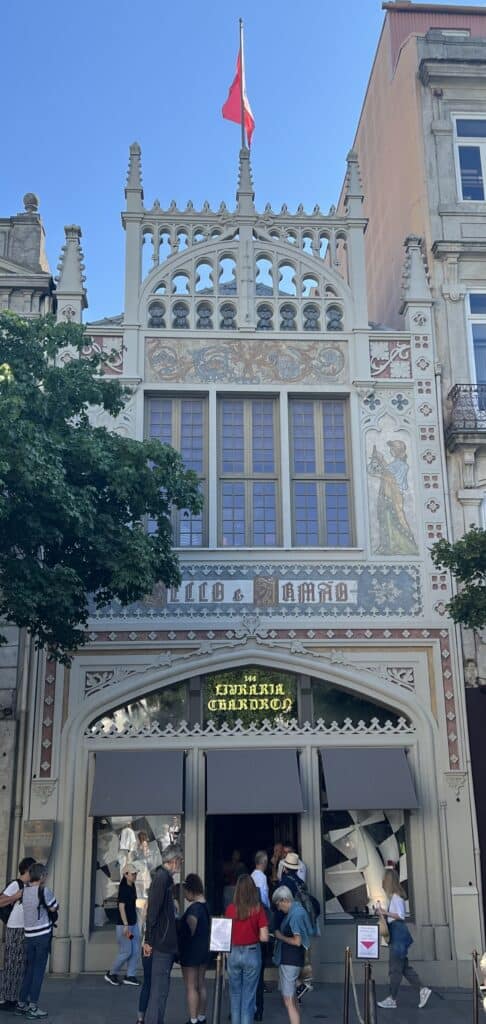
When I visited, part of our group had reserved timed tickets to go inside and said it was absolutely worth it. Others of us stayed outside and continued exploring, which is also a perfectly valid choice if you are short on time or want to avoid the crowds.
This is one of those stops that sits right on the line between “tourist-heavy” and “genuinely impressive.” If you enjoy architecture, design, or literary history, it can be a worthwhile addition. But visiting the bookstore is not essential to understanding Porto.
Clérigos Tower and the Surrounding Area
From there, continue toward the Clérigos Tower, one of Porto’s most recognizable landmarks.
Even if you do not go inside, the area around it is worth exploring. This part of the city starts to give you a sense of Porto’s vertical layout as well as how everything is layered and built into the hills.
Pause at Majestic Café or Bolhão Market
As you begin making your way toward the Baixa area, this is a great time to slow down for a break.
The Majestic Café is one of the most beautiful places to stop for coffee or a light meal. With its French Belle Époque design, it feels like stepping into a different era. Those subtle Parisian influences echo what you see in places like the Dom Luís I Bridge.
Not far from here is the Bolhão Market, where you can get a glimpse of local food culture. I walked through fairly quickly, but if you have the time, it is worth slowing down to explore and taking note for a meal stop.
São Bento Train Station (Do Not Rush This)
Next, make your way to São Bento Train Station. And give yourself time here.
This was one of the most memorable stops for me. The interior walls are covered in azulejo tiles that depict major moments in Portuguese history, and I ended up standing there much longer than expected, completely absorbed in the details.
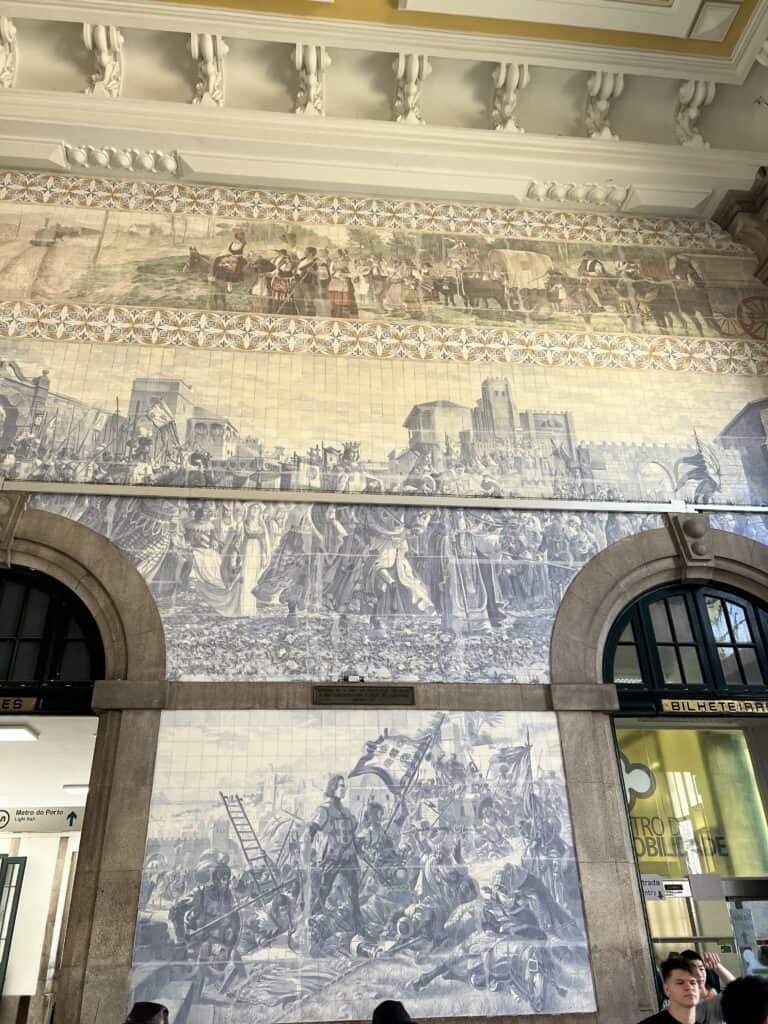
At one point, I had to be pulled away because the rest of my travel group was ready to move on.
It is easy to walk through quickly. But, this is one place where slowing down makes all the difference.
Continue Through Porto’s Churches and Cathedral
From São Bento, continue downhill toward:
- Church of Santa Clara
- Porto Cathedral (Sé do Porto)
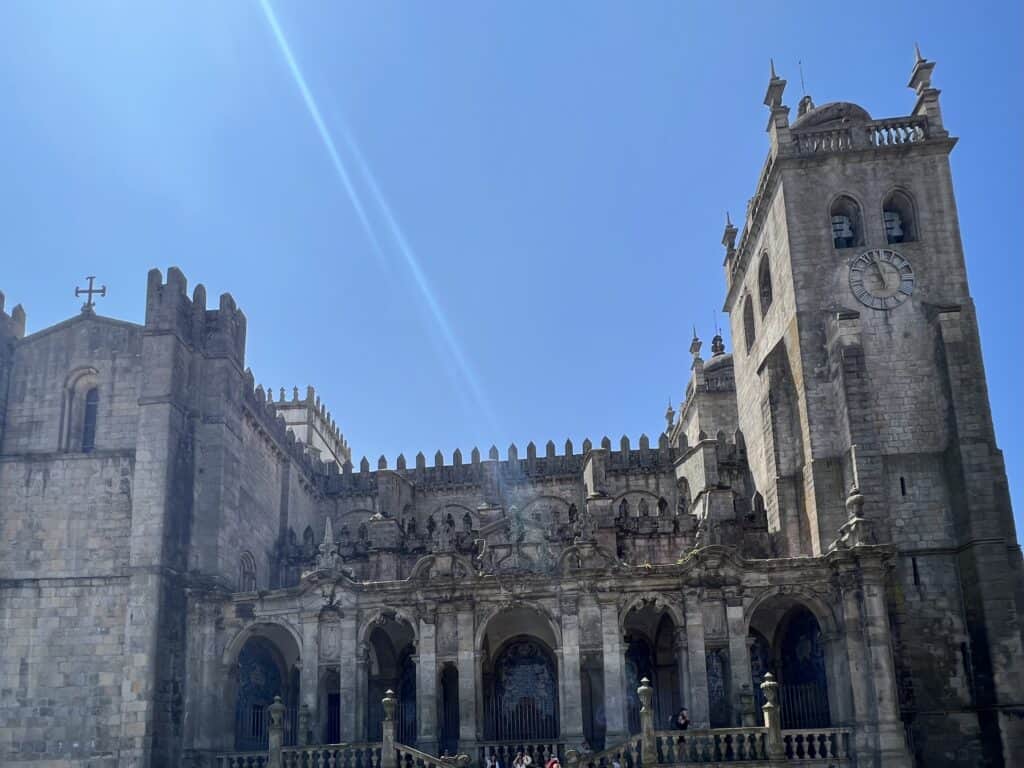
This part of the walk starts to feel more historic and grounded. You are moving deeper into older sections of the city, and the architecture begins to reflect that shift.
Pass Through Porto’s Medieval Walls Before Reaching Ribeira
As you continue walking downhill toward the river, you will start to notice something subtle but significant—remnants of Porto’s medieval defensive walls, known as the Muralha Fernandina.
Nerd Alert: The City’s Skeleton
These 14th-century walls are the “skeleton” of Old Porto. Listed as part of the UNESCO World Heritage site, the Muralha Fernandina didn’t just keep invaders out. It forced Porto to grow vertically, creating the iconic, stacked look of the Ribeira district we see today.
This is one of those moments that is easy to miss if you do not know what you are looking at.
Porto was once a fortified city. While much of the wall has disappeared over time, several sections still remain and have been quietly integrated into the modern city.
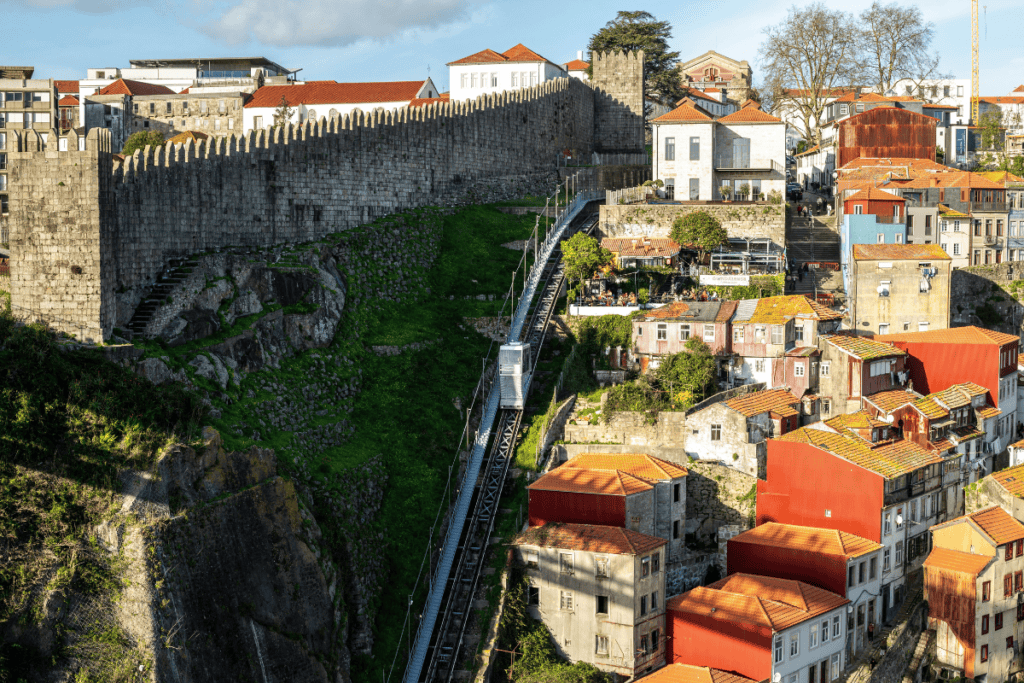
- The Trecho dos Guindais is the most well-preserved section and sits near the Dom Luís I Bridge. You can even walk along parts of it for incredible views over the Douro River.
- Near Ribeira, the walls appear again along the Escadas do Caminho Novo, blending into stairways and surrounding buildings
- At the riverfront, you can find the Postigo do Carvão, the only surviving gate of the original 17
This is where Porto really starts to feel layered. You start to feel like you are walking through different versions of the city at once.
End at Ribeira and the Douro River
Eventually, you will arrive at Ribeira Square, right along the Douro River.
Nerd Alert: UNESCO Highlight
Ribeira is part of Porto’s UNESCO World Heritage designation because it reflects more than 2,000 years of continuous urban life along the Douro River. Roman trade routes, medieval street patterns, and later merchant houses are all layered together here. What you are seeing is not just a beautiful riverfront, but one of the most complete historic urban landscapes in Europe.
This is the perfect place to stop for lunch. There are plenty of restaurants right along the water, but if you walk just a few streets uphill, you will often find less crowded options that are just as good.
Either way, this is a moment to pause and take everything in.
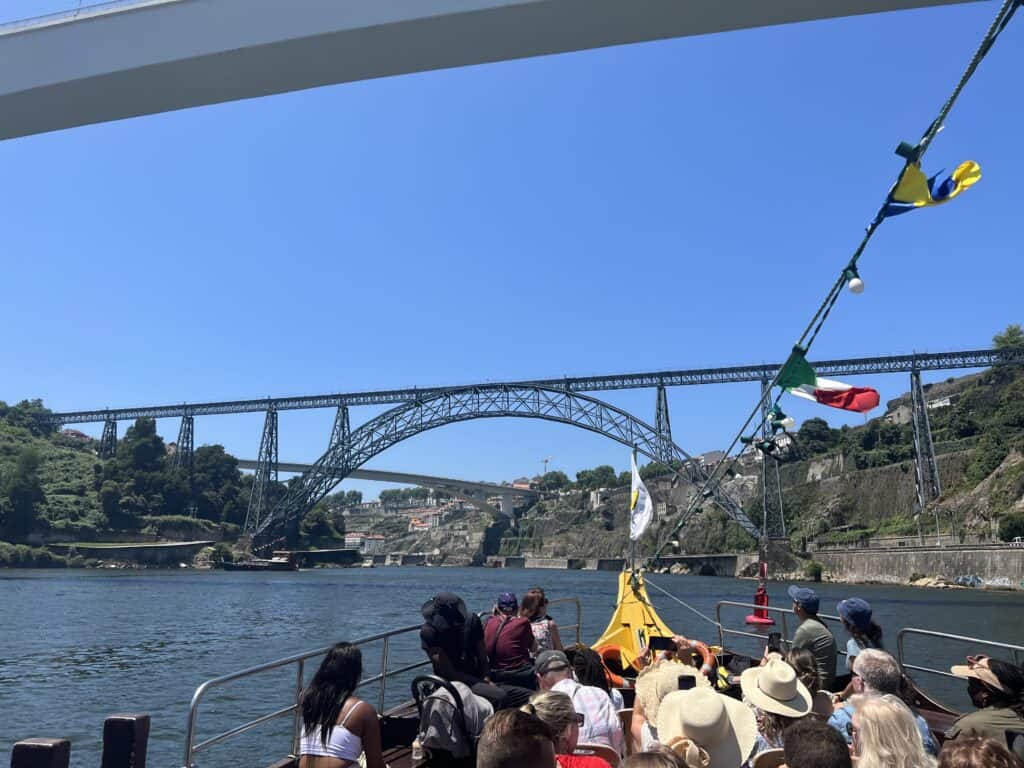
Take a 6 Bridges Douro River Cruise
If you still have energy, this is a great time to take a 6 bridge river cruise along the Douro. They generally last about an hour.
It gives you a completely different perspective of the city, especially the bridges and the relationship between Porto and Vila Nova de Gaia.
Important Tip: Do Not Combine Porto and Gaia Today
This is the one thing I would change about my own trip.
We crossed into Vila Nova de Gaia and did a wine tasting after a full day of walking. It was simply too much. By that point, everything started to blur together, and it was harder to fully appreciate what we were seeing.
If I were planning this again, I would save Gaia for Day 2 and give it the time it deserves.
Day 2: Vila Nova de Gaia + A Slower Side of Porto
After a full first day walking through Porto’s historic center, Day 2 is about shifting your pace.
This is where you move from covering ground to experiencing the city more intentionally. And where you finally give Vila Nova de Gaia the time it deserves.
Start with a Slower Morning in Porto
One of the best things you can do on your second day is not rush out the door.
Porto is a city that rewards lingering, and this is your chance to revisit anything that caught your attention the day before—or simply enjoy the atmosphere without a structured plan.
You might:
- Walk back through a neighborhood that stood out
- Spend more time along the river
- Stop for coffee without feeling like you need to move on quickly
If you did not have time to fully enjoy it on Day 1, this is also the perfect opportunity to visit the Majestic Café.
Sitting inside, surrounded by its Belle Époque architecture, feels like stepping into another era. All the pomp and grandeur are much easier to appreciate when you are not trying to stay on a tight schedule.
After a full Day 1, this slower start makes a noticeable difference.
Cross the Douro River to Vila Nova de Gaia
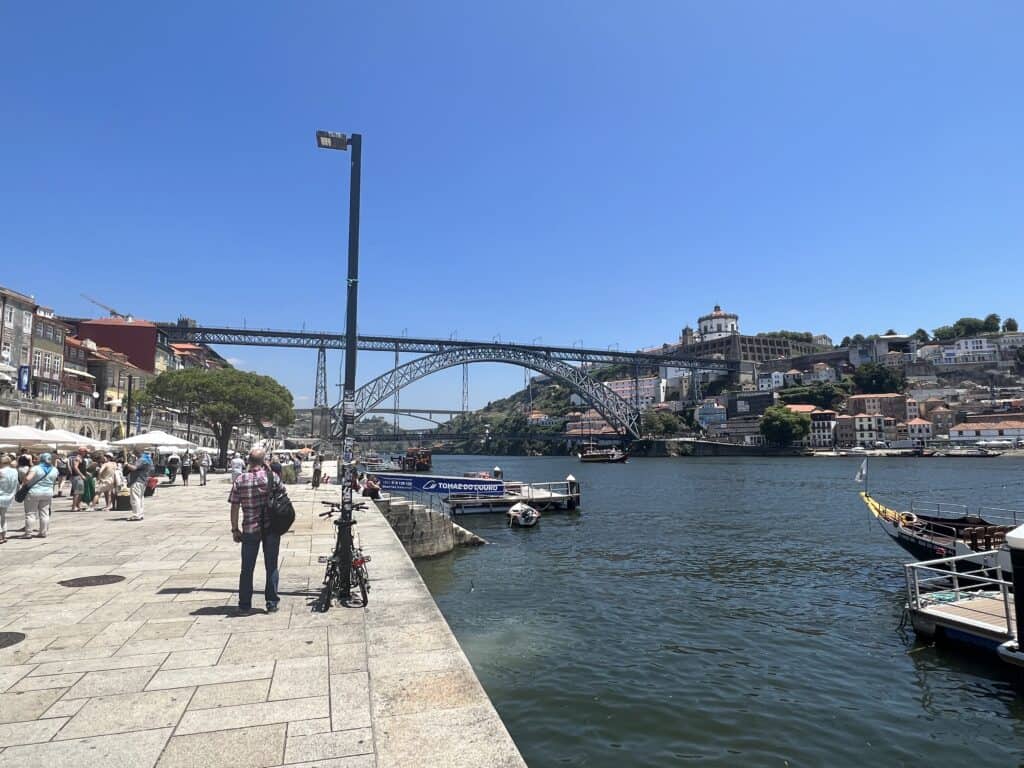
When you are ready, make your way across the Dom Luís I Bridge into Vila Nova de Gaia.
This is one of those moments where everything connects: the views back toward Porto, the river below, and the realization that this side of the river plays a completely different role in the city’s identity.
While Porto is where you explore history through architecture and layout, Gaia is where you understand why the city became so important in the first place.
Experience the Port Wine Cellars (Without Rushing)
This is where you finally give port wine the attention it deserves.
The wine cellars in Vila Nova de Gaia are not just places to taste wine. The cellars are part of a system that has existed for centuries, tied directly to the Douro Valley and international trade. Visiting them adds context to everything you have seen so far in Porto.
Nerd Alert: UNESCO Highlight
The wine cellars in Vila Nova de Gaia are directly connected to the UNESCO-listed Alto Douro Wine Region. The grapes are grown inland in the Douro Valley, then historically transported downriver to age here in Gaia’s cooler Atlantic climate. Together, they form a complete cultural system that links landscape, production, and global trade.
Instead of trying to squeeze this into the end of a long day (like I did), take your time here.
- Book a tasting in advance if possible
- Choose 1–2 cellars (quintas) rather than trying to visit too many
- Allow time to actually understand what you are tasting
This is where the experience shifts from simply trying port wine to truly understanding it.
👉 Optional: Book a Port Wine Experience
If you want a more structured introduction, a guided tasting can add a lot of depth—especially if you are new to port wine.
Some well-reviewed options include:
- Guided Port Wine Cellars Tour + Tastings
- Port Wine + Food Pairing Experience
- Private Wine Tasting in Vila Nova de Gaia
These experiences can help you better understand the different styles of port and how they are produced, making the entire visit feel much more intentional.

Consider the Cable Car or Riverside Walk
If you want a different perspective, this is a great time to use the Gaia cable car, which runs along the river and up toward the bridge.
It is not essential, but it offers:
- A break from walking
- Elevated views of the Douro
- A different way to experience the city’s layout
Alternatively, simply walking along the riverfront in Gaia can be just as enjoyable, especially if you prefer to stay grounded in the setting.
Take Your Time with the Views
One of the best parts of Gaia is something that is easy to overlook: the view back toward Porto.
From this side of the river, you get a completely different perspective of the city. Take time to notice the layered buildings, the bridge, and the full sweep of the historic center.
This is a good place to pause.
Have a drink, sit for a while, and let the experience settle in. After the movement of Day 1, this is where Porto starts to feel more complete.
Why Separating Porto and Gaia Matters
This is the biggest change I would make to my original trip.
We combined Porto and Gaia into one long day, ending with a wine tasting after hours of walking. Everything started to blur together, and it was harder to fully appreciate what we were seeing.
By separating them, you:
- Experience each area more clearly
- Avoid fatigue
- Get more out of both the city and the wine culture
It is a small change, but it makes a big difference.
Day 3: Choose Your Experience
By Day 3, you have already walked through Porto’s historic center and experienced Vila Nova de Gaia at a more intentional pace.
Now, you have options.
This is where you can tailor your Porto itinerary to match your interests.
If you want to leave the city entirely, here is my complete guide to the best day trips from Porto, including half-day options, train friendly destinations and a Vinho Verde quinta visit only 40 minute away.
Option 1: Take a Douro Valley Wine Tour
If you want to understand Porto on a deeper level, this is the experience to choose.
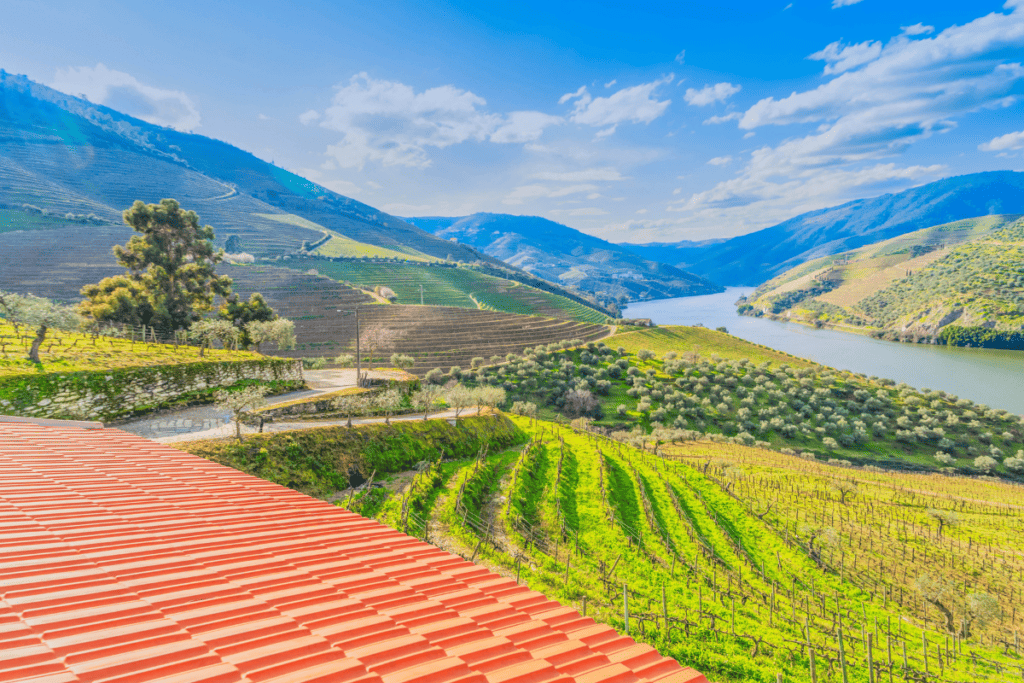
The Douro Valley, located just inland from Porto, is one of the oldest wine regions in the world, with a winemaking tradition spanning over 2,000 years. It is also a UNESCO World Heritage Site, recognized for its terraced vineyards and cultural landscape shaped by its centuries of wine production.
Nerd Alert: UNESCO Highlight
The Douro Valley is recognized by UNESCO for how humans transformed an unforgiving landscape into a working wine region. Over centuries, steep hillsides were carved into terraces by hand, creating one of the oldest officially regulated wine regions in the world, established in 1756. It is a rare example of nature and human effort shaping each other over time.
A full-day tour typically includes:
- Transportation through the valley
- Visits to wineries or estates (quintas)
- Tastings of port and table wines
- Lunch overlooking the vineyards
- Optional river cruise along the Douro
👉 If you are planning to visit, I highly recommend booking a guided tour in advance—especially during peak season.
Here are a few well-reviewed Douro Valley experiences to consider:
- Full-Day Douro Valley Wine Tour with Tastings
- Small Group Douro Valley Tour with River Cruise + Lunch
- Private Douro Valley Wine Experience
This is where everything you learned in Porto and Gaia comes together. You are no longer just tasting the wine. You are seeing where it comes from and how the landscape itself has been shaped over time.
If you are interested in wine, history, or cultural landscapes, this is one of the most rewarding day trips you can take.
Option 2: Stay in Porto and Go Deeper
If you prefer to stay within the city, Day 3 is your chance to slow down even further and explore Porto beyond the main route.
This could be the day to:
- Revisit areas that felt rushed
- Spend more time along the Douro River
- Explore neighborhoods you did not reach on Day 1
It is also a great opportunity to visit places like:
- Bolhão Market, if you only passed through quickly
- Additional churches or viewpoints
- Smaller streets and quieter corners of the city
This option works especially well if you enjoy discovering places organically rather than following a strict schedule.
Option 3: Take a Beach Day Along the Atlantic
One of Porto’s lesser-known advantages is its proximity to the coast.
In less than 30 minutes, you can reach the Atlantic beaches, where the atmosphere feels completely different from the historic center. Wide open views, sea air, and a slower rhythm make this a refreshing contrast to the hills and density of the city.
If your trip falls during warmer months, this can be a great way to:
- Take a break from walking
- Escape the heat of the city
- Experience another side of northern Portugal
Even if you only spend a few hours by the water, it adds balance to your itinerary.
How to Choose the Right Option
Each of these options offers something different:
- Choose the Douro Valley if you want depth, history, and a strong connection to Porto’s wine culture
- Stay in Porto if you want a slower, more immersive city experience
- Head to the coast if you want variety and a change of pace
There is no wrong choice. It simply depends on what kind of experience you want your trip to have.
Day 4: Guimarães, Known as the Birthplace of Portugal
If you have time to take a day trip from Porto, this is the one I would prioritize.
While Porto gives you context, Guimarães gives you origin. Often referred to as the birthplace of Portugal, this is where the country’s early identity began to take shape. Visiting Guimarães adds an entirely new layer to your trip—it connects everything you have seen in Porto to a much deeper historical foundation.
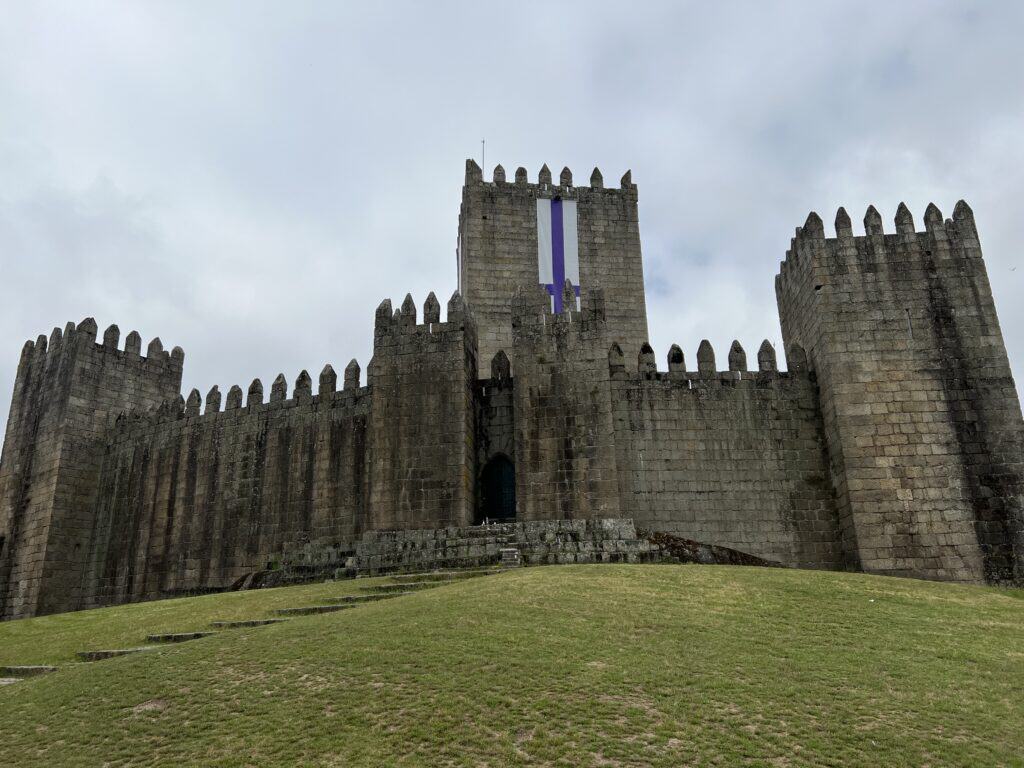
What makes Guimarães especially rewarding is how easy it is to experience. The UNESCO-listed historic center is compact, walkable, and filled with medieval architecture that feels grounded in time. This is not a place where you need a packed checklist. It is a place where wandering is part of the experience.
Nerd Alert: UNESCO Highlight
Guimarães earned its UNESCO status for preserving the city where Portugal’s identity first took shape. In the 12th century, this was the seat of Afonso Henriques, the country’s first king. Its medieval streets and architecture reflect the foundation of a nation, not just a moment in time.
You will notice the shift almost immediately. Compared to Porto, Guimarães feels quieter, more focused, and more tied to a specific moment in history. It is less about movement and more about presence.
👉 If you are planning your visit, I go into much more detail here:
Planning Your Visit to Guimarães
How to Get to Guimarães
Guimarães is about an hour from Porto, which makes it one of the easiest day trips to add to your itinerary.
You can:
- Take the train for a simple, budget-friendly option
- Drive if you want more flexibility
- Join a guided tour if you prefer not to think about logistics
👉 If you would rather have everything organized for you, these are a few good options:
- Braga + Guimarães Full-Day Tour from Porto
- Guimarães Historical Origins Private Tour
- Free Walking Tours from Guru Walk
This is especially helpful if you want deeper insight into the significance of what you are seeing.
Why This Day Matters
What surprised me most about Guimarães is how much it changes your perspective.
After visiting, Porto no longer feels like just a beautiful riverside city. It starts to feel like part of a much larger story—one that begins here.
Day 5: Braga – A Different Side of Northern Portugal
If you have a fifth day, Braga offers something completely different from both Porto and Guimarães.
Where Porto feels layered and Guimarães feels foundational, Braga feels reflective. It is one of the oldest cities in Portugal and has long been a center of religious life, which still shapes the atmosphere today.
The pace here is slower. The tone is quieter. And the experience feels less about movement and more about observation.
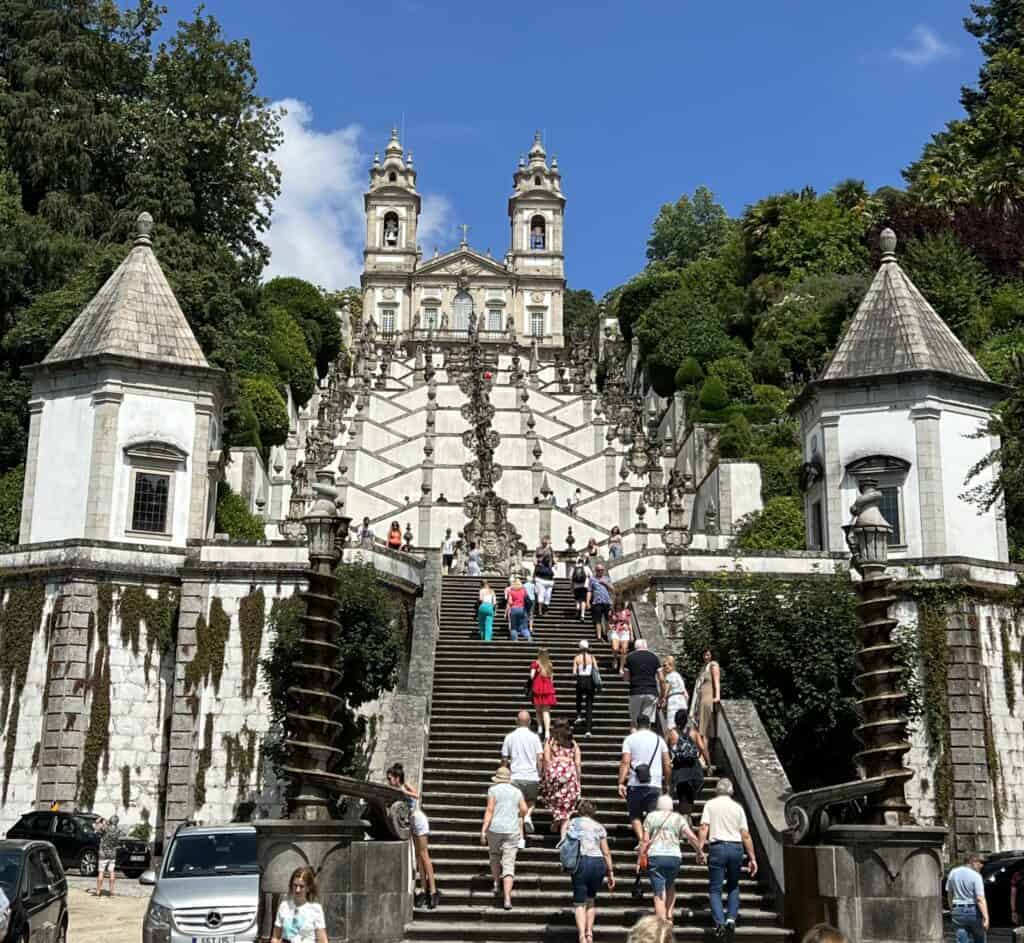
The highlight of any visit is Bom Jesus do Monte, a UNESCO World Heritage Site located just outside the city. Its iconic staircase is one of the most recognizable landmarks in Portugal—and seeing it in person is worth the trip on its own.
Nerd Alert: UNESCO Highlight
Bom Jesus do Monte is a UNESCO World Heritage Site because of its unique blend of architecture, landscape, and religious meaning. The Baroque staircase is designed as a symbolic journey upward, representing the spiritual ascent toward the divine. It is not just a landmark, but a physical expression of belief.
If you are planning your day, one of the best ways to experience it is to take the historic funicular to the top and walk back down. This gives you the full perspective of the staircase while also allowing you to take in the views over Braga at a more relaxed pace.
👉 For a deeper breakdown of what to see and how to plan your visit:
Planning Your Visit to Braga
How to Get to Braga
Like Guimarães, Braga is about an hour from Porto and is easy to reach.
You can:
- Take the train
- Drive
- Join a guided tour
👉 If you are short on time, many tours combine Braga and Guimarães into a single day:
- Braga + Guimarães Full-Day Tour from Porto
- Private Walking Tour of Braga
- Free Walking Tours from Guru Walk
That said, if your schedule allows, giving each destination its own day creates a much more meaningful experience.
How These Day Trips Fit Into Your Porto Itinerary
Adding Guimarães and Braga transforms your trip from a city break into something much more complete.
Each place adds a different layer:
- Porto introduces you to the culture, architecture, and trade history of the region
- Guimarães shows you where Portugal began
- Braga reveals how religion and tradition shaped its identity over time
Together, they tell a story that you simply would not get by staying in Porto alone.
Where to Stay in Porto
Where you stay in Porto can make a bigger difference than you might expect—especially because of the city’s hills.
If it is your first time visiting, staying near Ribeira or the historic center will make everything easier. You will be within walking distance of most major sights, and you will not have to constantly think about transportation.
During our trip, we stayed at Vinci Porto, which is located slightly west of the historic center. It was quieter and had a great rooftop view, but it was not the most convenient for walking back and forth each day.
If I were planning the trip again, I would prioritize staying closer to the center—somewhere that allows you to step outside and immediately start exploring, like Pestana Vintage Porto.
Getting Around Porto
Porto is a very walkable city, and walking is honestly the best way to experience it.
That said, it is not always easy.
The hills are real, and they can catch you off guard—especially in warmer weather. Taking your time, wearing comfortable shoes, and building in breaks will make a big difference.
When you need it, there are a few helpful options:
- The Guindais Funicular, which connects the riverfront to the upper city
- Trams and metro for longer distances (specifically Metro do Porto Yellow Line D that crosses the top deck of the Dom Luís I Bridge)
- Uber or Bolt, which are affordable and widely available
For day trips, trains are reliable and easy to use, while guided tours remove the need to plan anything at all.
Best Time to Visit Porto
Porto is a year-round destination, but your experience will vary depending on when you go.
Spring and fall (April–June and September–October) are the best times to visit. The weather is comfortable, and the city is much easier to explore on foot.
I visited in June as part of a group trip, and while the weather was beautiful, it is also a busy time with festivals and increased tourism. That adds energy to the city, but it also means larger crowds and a more fast-paced atmosphere, which is something to keep in mind when planning your trip.
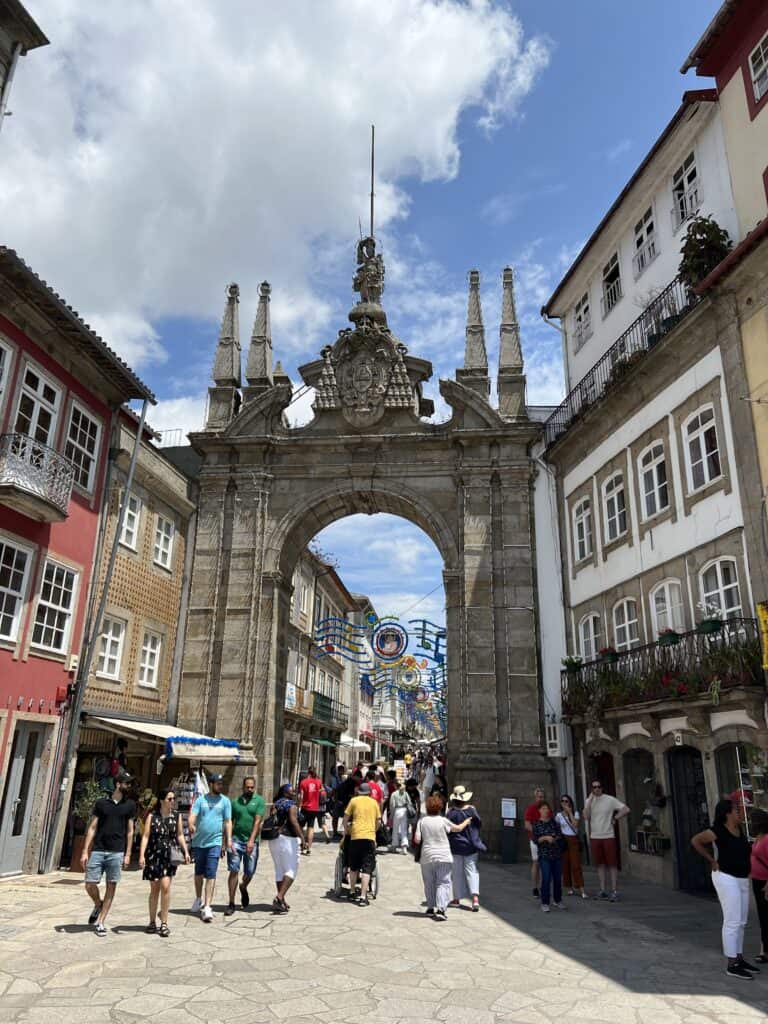
Summer overall is beautiful, but it can be surprisingly intense. Between the heat, humidity, and hills, it becomes a more physically demanding experience. If you visit during this time, plan to start early and take breaks throughout the day.
Winter is quieter and less crowded, which can be appealing if you prefer a slower, more local feel.
Final Thoughts: A Porto Itinerary That Actually Works
Porto is not a city you rush—it is one you experience over time.
This itinerary is designed to help you do exactly that. It gives you structure without forcing you to move too quickly, and it builds in the space needed to actually understand what you are seeing.
If you follow this plan, you will not just visit Porto—you will start to see how everything connects. From the historic center to the Douro Valley, and from Guimarães to Braga, each piece adds depth to the next.
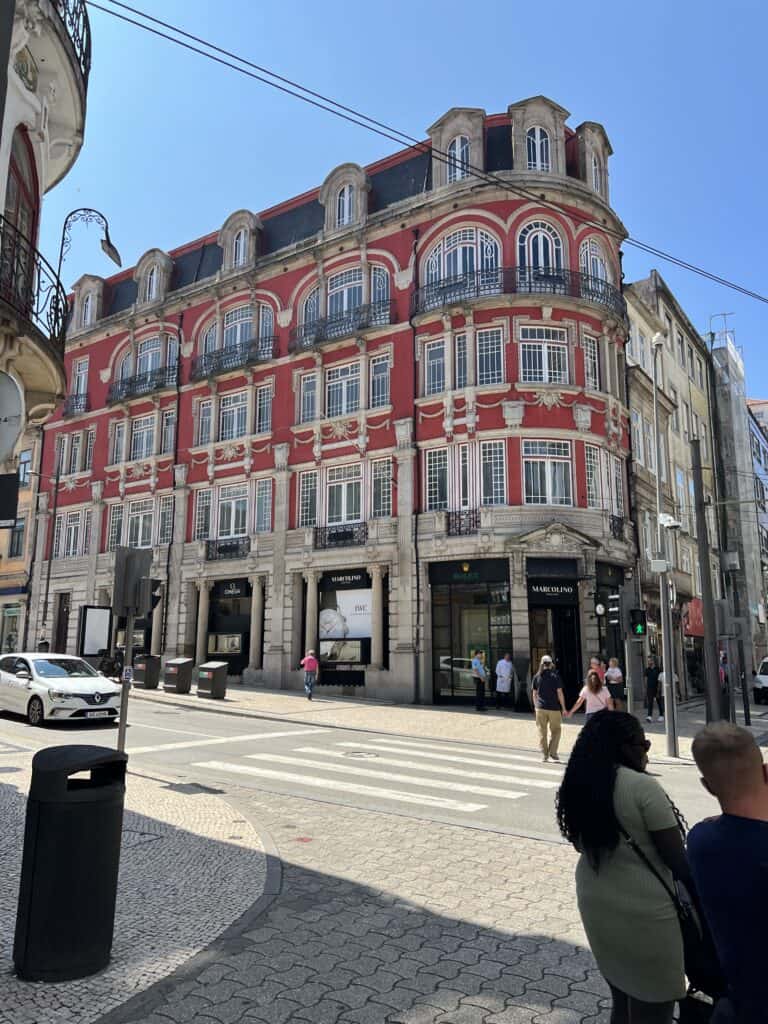
And that is what makes Porto worth the time.
Want a version of this itinerary built specifically for you? I help travelers skip the planning fatigue and jump straight to the discovery. Let’s collaborate on a custom Portugal plan that hits all the right notes.
Click here to share your trip details with me so we can get started!