
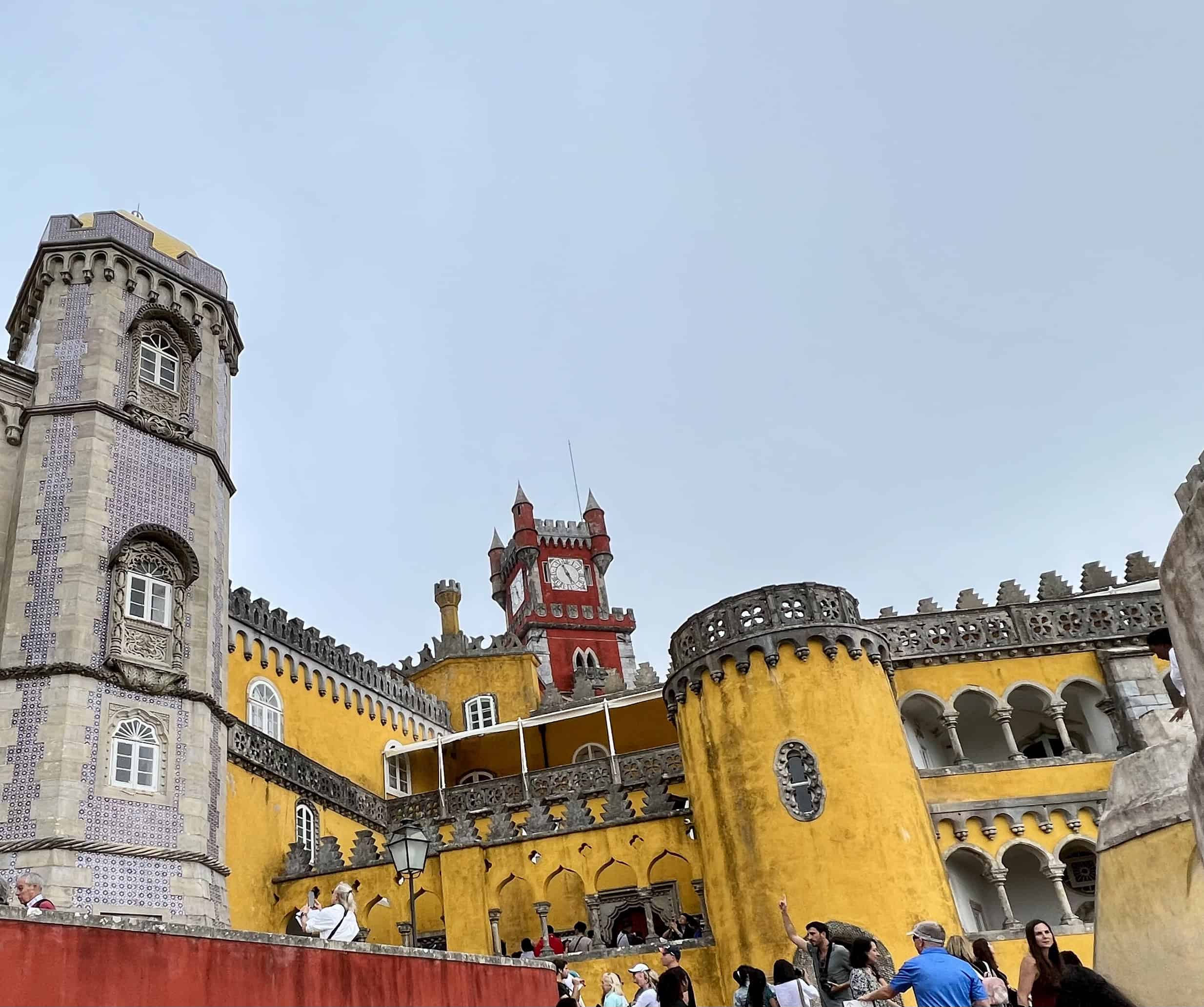
Portugal is a land of architectural layers, where medieval fortresses, Age of Discovery monuments, and Enlightenment-era city grids tell the story of a nation that has consistently reinvented itself, and left the evidence behind for you to explore.
As The Nerd Traveler, I believe travel is most meaningful when you understand the why behind the scenery. This Portugal travel guide is designed to help you do exactly that: navigate the country’s historical soul, from the granite streets of the north to the sun-drenched monuments of the capital.
Portugal punches well above its weight for history lovers. With 17 UNESCO World Heritage Sites, it holds more designated sites per square mile than almost anywhere else in Western Europe. That’s the lens through which this guide is built.
Prefer to watch?
Do you want the travel planning checklist mentioned in the video? Get the free Portugal planning tool
Why Visit Portugal? The Case for History Lovers
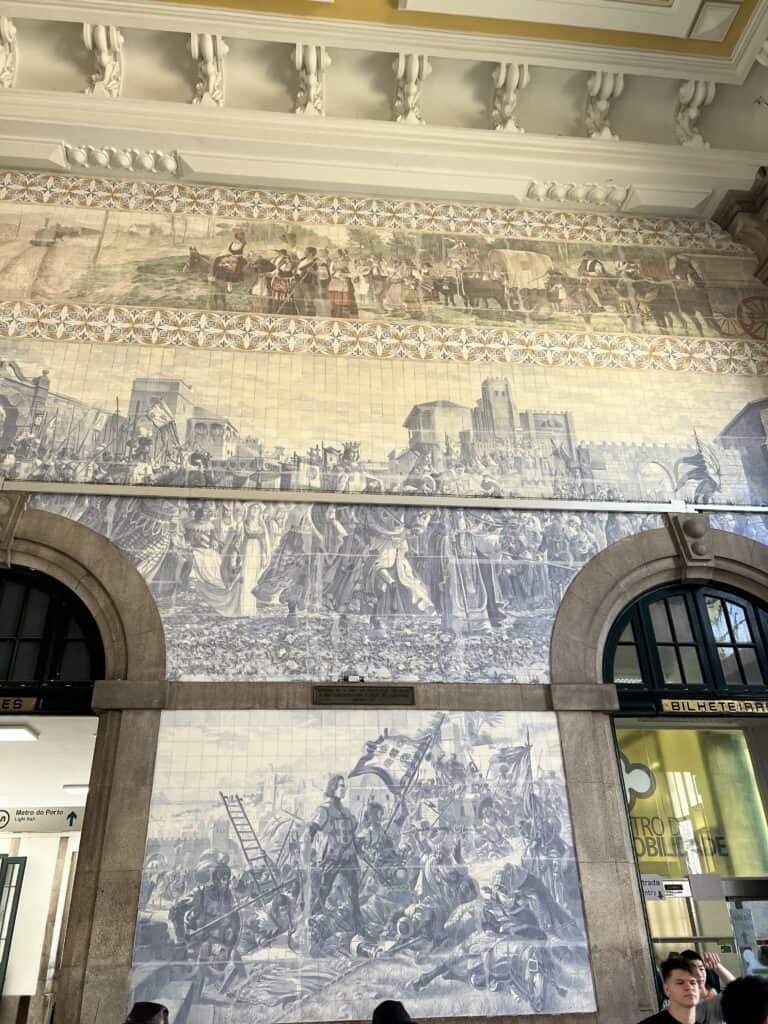
Portugal is not a loud country. It doesn’t announce itself. But once you start looking closely, at the glazed azulejo tiles covering train station walls, at the Roman temple standing intact in the middle of a modern city, at the Manueline stonework that turns Gothic architecture into something that looks like the sea itself, you realize you are somewhere genuinely extraordinary.
This is a country that was founded in 1143, became a global empire by 1500, and went on to build the longest-running empire in world history, spanning over 600 years and across 4 continents.
It survived a catastrophic earthquake in 1755 and rebuilt itself in a grid so rational it was considered a model of Enlightenment urban planning. Every era left its mark. Few countries offer this kind of layered, walkable, photographable history in such a compact geography.
And compact is the right word: Portugal is roughly the size of Indiana or Maine. You can drive from the northern border to the Algarve coast in about five hours. That makes it one of the most efficient countries in the world for history-focused travel, covering enormous chronological ground without enormous distances.
If you are a history nerd, a UNESCO site collector, or simply someone who wants to feel the past beneath their feet, Portugal belongs at the top of your list.
Portugal’s UNESCO World Heritage Sites
This is the heart of why The Nerd Traveler loves Portugal. The country’s 17 UNESCO World Heritage Sites span Roman ruins, medieval monasteries, a prehistoric rock art valley, and entire historic city centers. Here is a full list, with notes on which ones are most worth prioritizing:
Must-Visit:
- Historic Centre of Porto: The Ribeira district along the Douro River; one of Europe’s most atmospheric UNESCO sites
- Cultural Landscape of Sintra: Romanticist palaces, Moorish castles, and forested hills just outside Lisbon
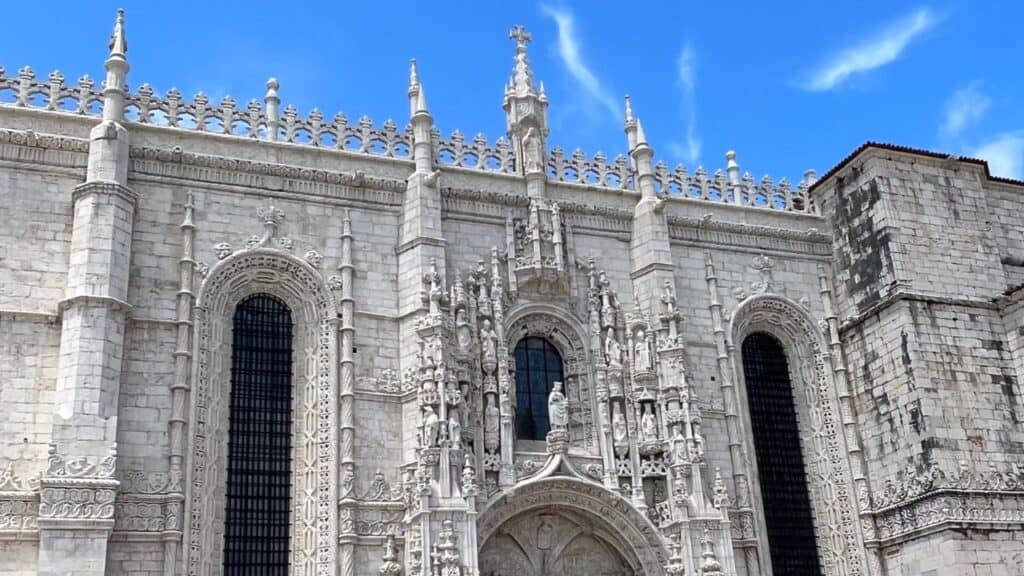
- Monastery of the Hieronymites and Tower of Belém (Lisbon): The twin monuments of the Age of Discovery; Manueline architecture at its finest
- Historic Centre of Guimarães: The “Cradle of Portugal,” where the nation was born
- Prehistoric Rock Art Sites in the Côa Valley and Siega Verde: Among the largest open-air Paleolithic art sites in the world
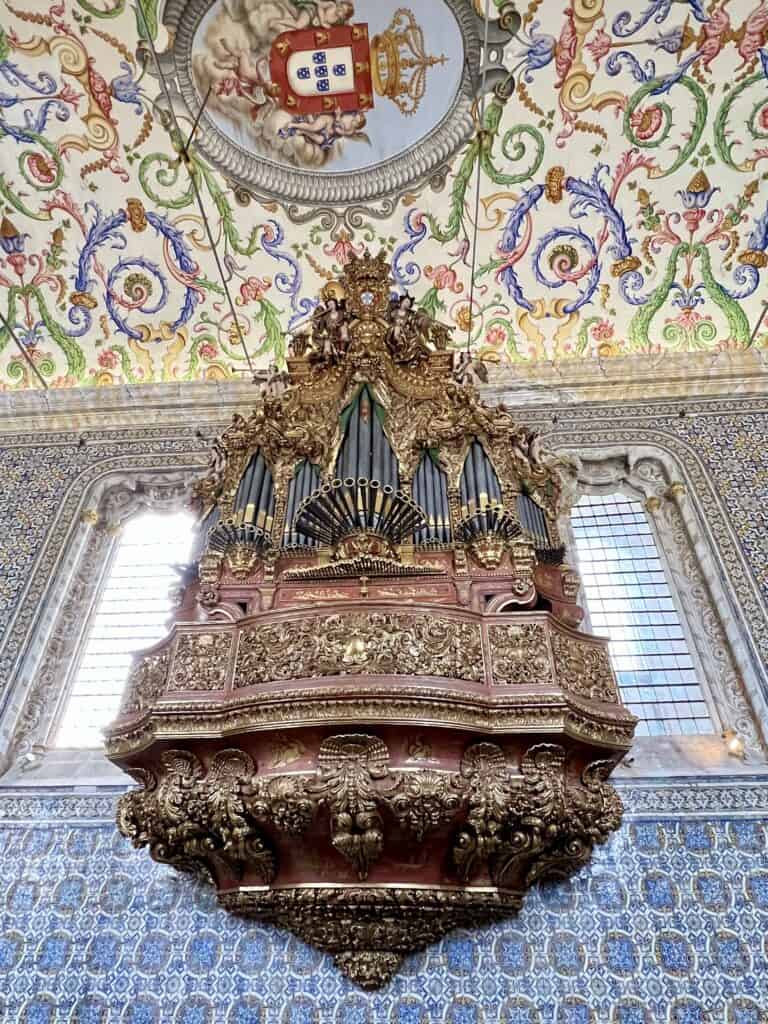
- University of Coimbra – Alta and Sofia: One of Europe’s oldest universities, with a jaw-dropping Baroque library
Well Worth the Trip:
- Monastery of Batalha: Gothic and Manueline masterpiece built to commemorate a 14th-century military victory
- Convent of Christ in Tomar: A Templar castle turned Manueline architectural marvel
- Monastery of Alcobaça: The royal pantheon of medieval Portugal; stunning Gothic cloister
- Historic Centre of Évora: A Roman temple, medieval cathedral, and the famously macabre Chapel of Bones, all in one walkable city
- Landscape of the Pico Island Vineyard Culture (Azores): Volcanic wine country unlike anywhere else on earth
On My List (Not Yet Visited):
- Laurisilva of Madeira
- Central Zone of the Town of Angra do Heroísmo (Azores)
- Alto Douro Wine Region
- Garrison Border Town of Elvas and its Fortifications
- Prehistoric Sites of Côa Valley
- Megalithic Temples and Royal Building of Mafra
Nerd Alert: You don’t need to visit all 17 to have a deeply meaningful trip. A two-week itinerary combining Porto, Guimarães, Braga, Lisbon, Sintra, and Évora will put you face-to-face with at least six UNESCO sites, each completely different in character.
Regions of Portugal: Where to Focus Your Time
Portugal is small enough to drive across in a few hours, but each region has a distinct personality. Here’s how to think about the geography:
Lisbon & Surroundings (Centro-Sul) The capital and its satellite destinations (Sintra, Cascais, and Évora) form the most visited corridor in the country. Perfect for first-time visitors. UNESCO-rich and logistically easy.
Porto & the North (Norte) Porto, Guimarães, Braga, and the Douro Valley make up a historically dense northern circuit. This is where Portugal began, and the architecture and culture feel older and more austere than the south. Recommended for return visitors or history-focused itinerary builders.
Algarve (Sul) Portugal’s southern coast is famous for beaches and dramatic sea cliffs. Less UNESCO-focused, but beautiful and worth adding as a relaxing end to a cultural itinerary.
Alentejo & Interior Évora anchors this vast, sun-baked inland region. Slow travel, cork oak forests, prehistoric megaliths, and extraordinary local cuisine. Deeply underrated.
Azores & Madeira Island extensions of Portugal in the Atlantic, each with their own UNESCO sites and ecosystems. Best as dedicated trips rather than add-ons.
City Guides
Lisbon: The City That Rebuilt Itself
Lisbon is defined by resilience. To truly understand the capital, you need to understand the Great Earthquake of 1755, a catastrophe that destroyed most of the medieval city and prompted a radical, scientific rebuilding effort led by the Marquis of Pombal. The result is a city with two personalities: the ancient, winding Alfama district that survived on the hillside, and the rational Pombaline grid of the Baixa below.
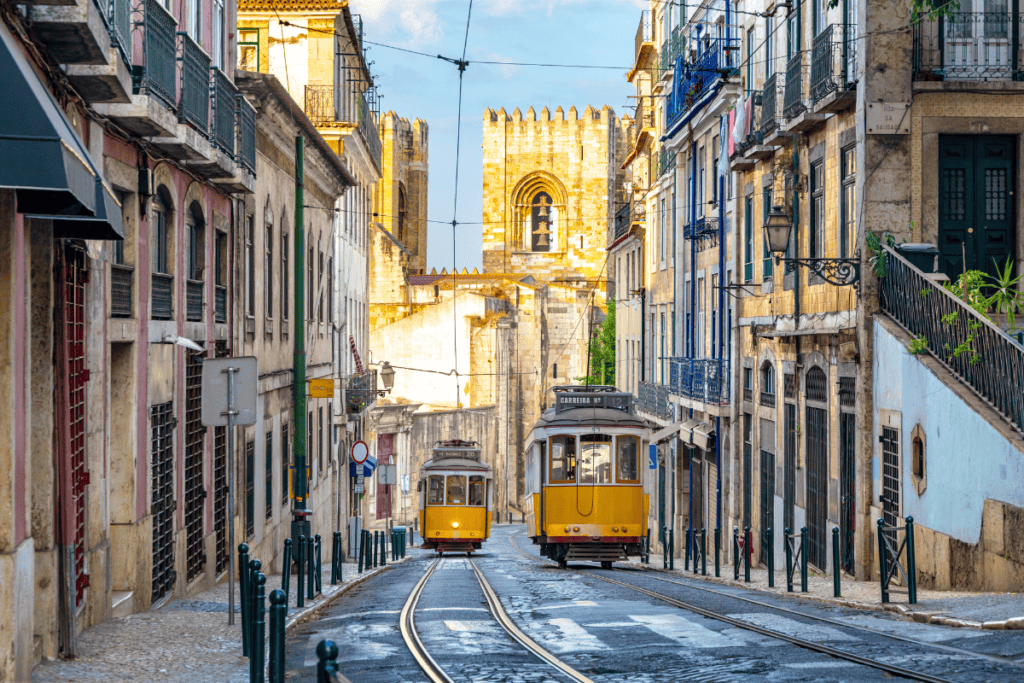
The Belém district is the non-negotiable UNESCO pilgrimage: the Monastery of the Hieronymites and the Tower of Belém stand as monuments to Portugal’s Age of Discovery, the era when Portuguese explorers mapped the coast of Africa, reached India, and changed global trade forever.
→ Deep Dive: The Perfect 3-5 Day Lisbon Itinerary
Porto: Gritty, Gorgeous, and Granite
Porto offers something Lisbon doesn’t: a feeling of unpolished authenticity. The Historic Centre of Porto is a UNESCO World Heritage Site, and walking the Ribeira waterfront, with its azulejo-covered facades, the iron Dom Luís I Bridge, and the wine cellars of Vila Nova de Gaia across the river, is one of the great travel experiences in Europe.
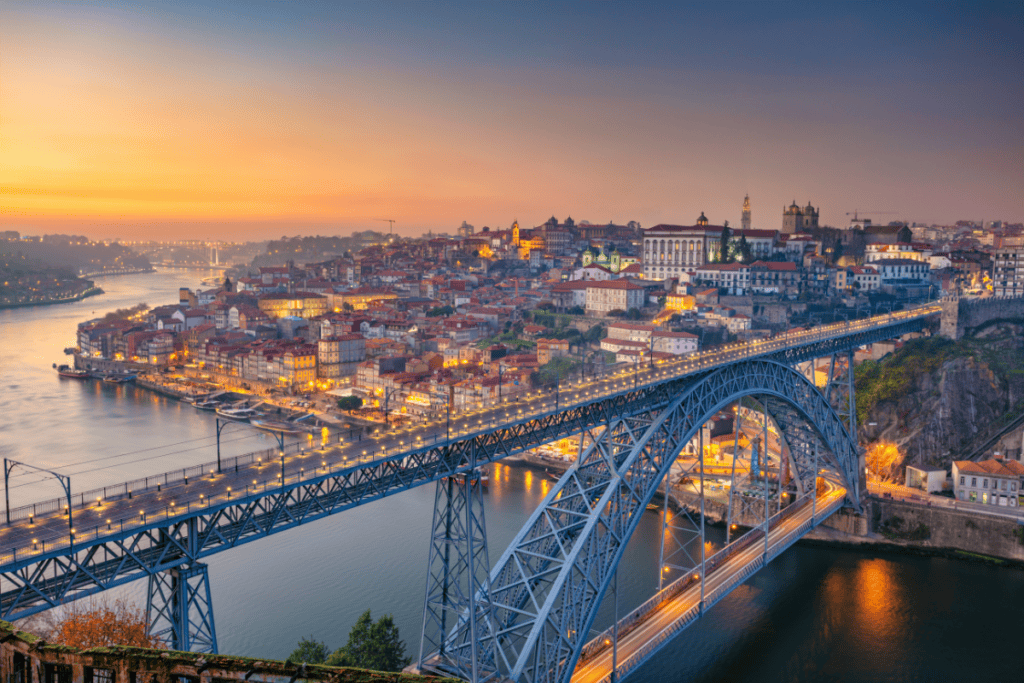
Porto is also the ideal entry point for the northern circuit. Fly in here, then work your way south toward Lisbon for a logical, backtrack-free itinerary.
→ Deep Dive: Is Porto Worth Visiting?
→ Deep Dive: Plan your Time: Best Day Trips from Porto
Guimarães: Where Portugal Was Born
Guimarães holds a singular place in Portuguese identity: this is where Afonso Henriques, the first King of Portugal, was born in the 12th century. The medieval city center is a UNESCO site, and the castle that overlooks it (Guimarães Castle) still stands largely intact.
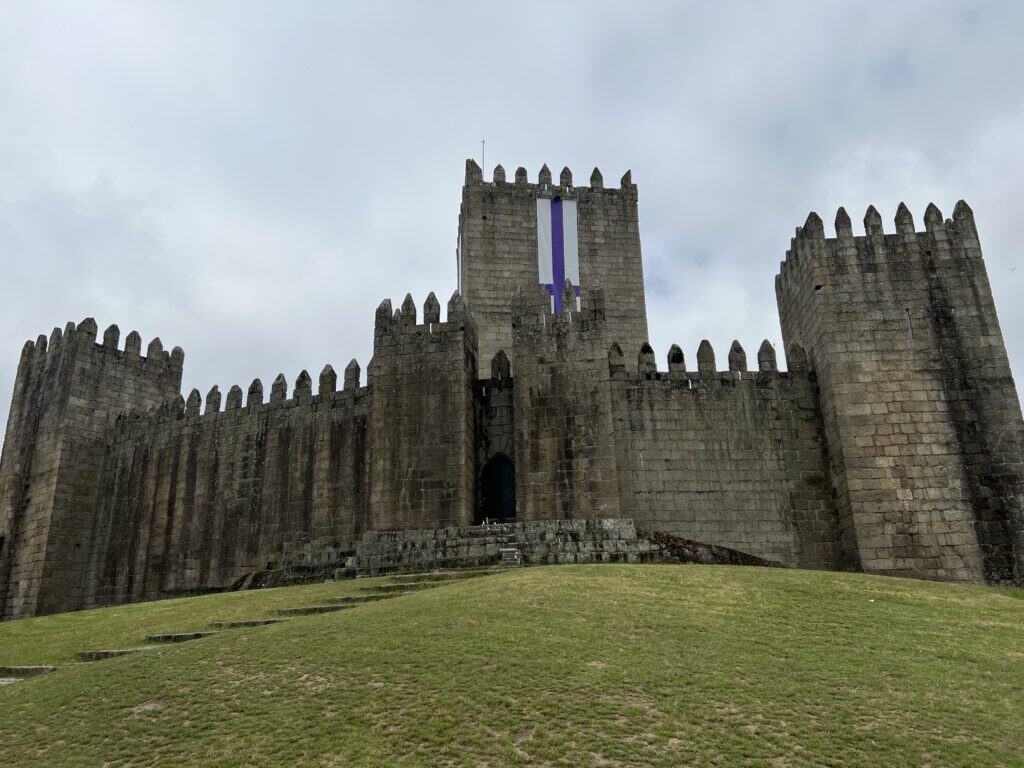
Walking these streets, you are walking through the literal origin point of a nation. That feeling is rare and worth the trip north.
→ Deep Dive: Guimarães Planning Guide
Braga: Portugal’s Sacred City
Braga is Portugal’s religious capital, and its centerpiece is Bom Jesus do Monte, a Baroque staircase sanctuary climbing a forested hillside, recognized as a UNESCO World Heritage Site. The symbolism built into the staircase’s architecture (each landing representing a stage of the Passion) makes it unlike anything else in the country.
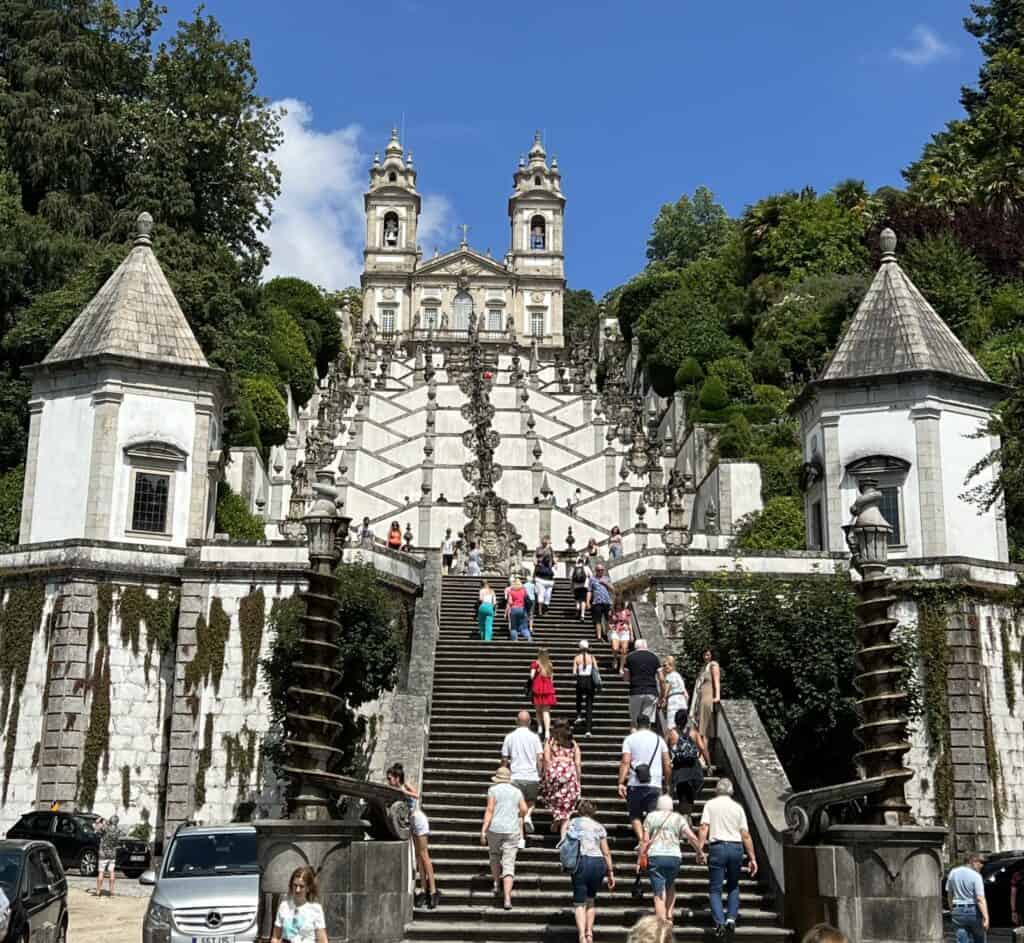
Braga pairs perfectly with Guimarães as a two-day northern Portugal excursion.
→ Deep Dive: Braga Planning Guide
Portugal Itineraries
The Nerd Traveler’s Recommended Route: Porto to Lisbon (Open-Jaw)
The smartest way to see Portugal is with an open-jaw flight, flying into Porto and out of Lisbon (or vice versa). This eliminates backtracking and lets you experience the country as a narrative journey from north to south.
Sample 10–14 Day Route:
- Days 1–3: Porto — Historic centre, Ribeira, Livraria Lello, wine cellars
- Days 4–5: Guimarães + Braga — Day trips or overnight from Porto
- Days 6–7: Coimbra — University UNESCO site, old city
- Days 8–10: Lisbon — Alfama, Belém, Pombaline Baixa
- Days 11–12: Sintra — UNESCO palaces and castle
- Days 13–14: Évora — Roman temple, Chapel of Bones, Alentejo cuisine
When to Visit Portugal
Portugal’s Atlantic climate makes it a year-round destination, but timing matters for comfort and crowds.
Spring (March–May) is the sweet spot. Temperatures are mild, wildflowers cover the hills of Sintra, and the crowds haven’t yet arrived. May in particular offers ideal conditions for walking the steep streets of Lisbon and Porto.
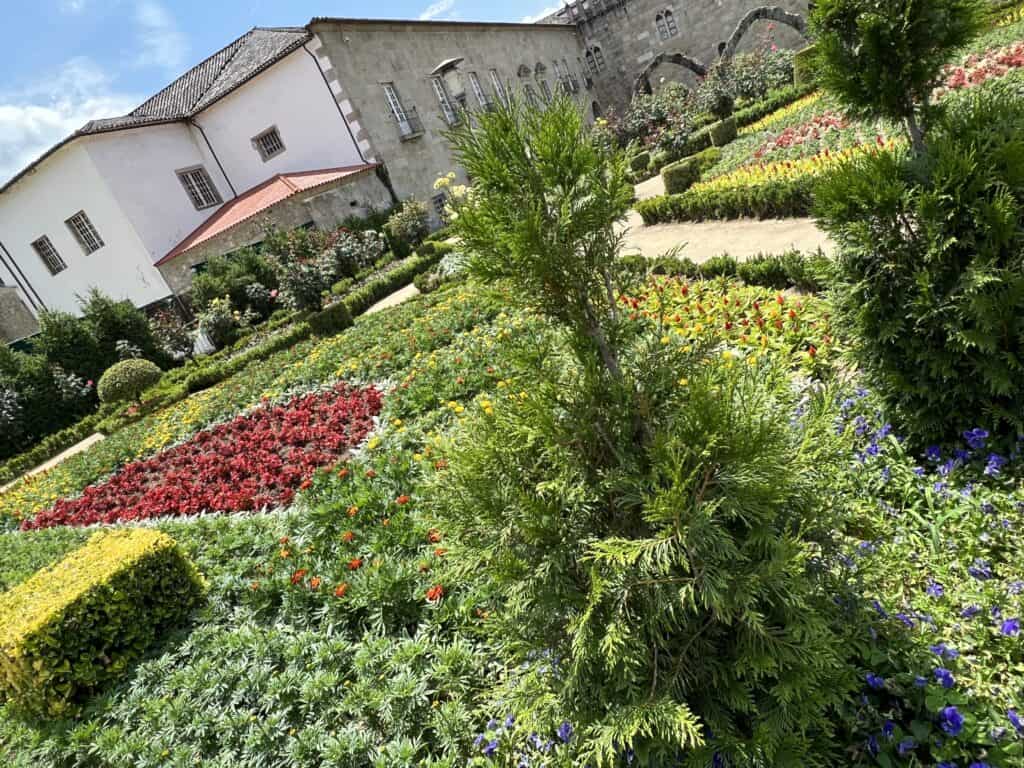
Summer (June–August) is peak season. Hot, crowded, and expensive, but also festive. If you visit in June, the Festas de Lisboa and São João in Porto are bucket-list cultural events.
Fall (September–October) rivals spring. Harvest season in the Douro Valley, warm temperatures, and thinner crowds. September is arguably the best month of the year to visit.
Winter (November–February) is quiet and affordable. Rain is possible, especially in the north, but Lisbon and the Algarve remain mild. Ideal for travelers who prefer museums over sunbathing.
Food & Drink in Portugal
Portuguese food is one of Europe’s most underrated culinary traditions: honest, ingredient-driven, and deeply tied to the sea and the land.
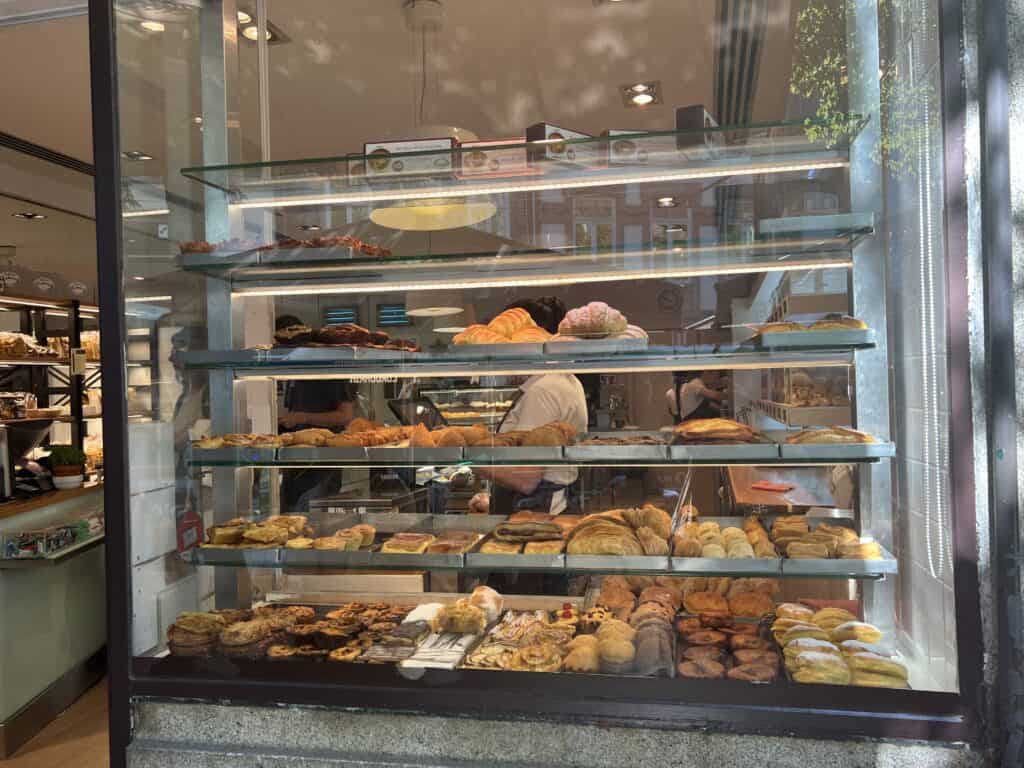
Don’t leave without trying:
- Bacalhau (salt cod): Portugal’s national ingredient, prepared in reportedly over 365 ways
- Pastel de nata: The custard tarts that originated at the Jerónimos Monastery in Belém; still best eaten warm from the original bakery, Pastéis de Belém
- Caldo verde: A simple, comforting green soup from the north, made with kale and chouriço
- Francesinha: Porto’s gut-busting sandwich layered with meat and smothered in a spiced beer-and-tomato sauce
- Petiscos: Portugal’s answer to tapas; order a spread and graze slowly
- Vinho Verde: The light, slightly effervescent young wine of the Minho region, perfect with seafood
- Port wine: Best sipped in Vila Nova de Gaia, directly across the Douro from Porto, where the great wine cellars offer tastings and tours
- Porto Tónico: White port poured over ice with tonic water and a slice of lemon or mint. It is deceptively simple, completely refreshing, and somehow impossible to recreate at home. Order one at a riverside café in Porto and you will understand immediately.

Practical Information for Portugal
Currency: Euro (€). Cards are accepted widely in cities, but carry some cash for smaller towns, markets, and rural restaurants.
Language: Portuguese. English is commonly spoken in Lisbon, Porto, and tourist areas. Learning a few phrases (obrigado/obrigada for thank you, por favor for please, com licença for excuse me) goes a long way and is always appreciated.
Getting Around: The train network connects major cities efficiently and affordably. The Porto–Lisbon line is comfortable and scenic. For northern day trips (Guimarães, Braga), regional trains or rental cars are easiest.
Getting There: Major international airports in Lisbon (LIS) and Porto (OPO). For the open-jaw itinerary, fly into Porto and out of Lisbon, or reverse it.
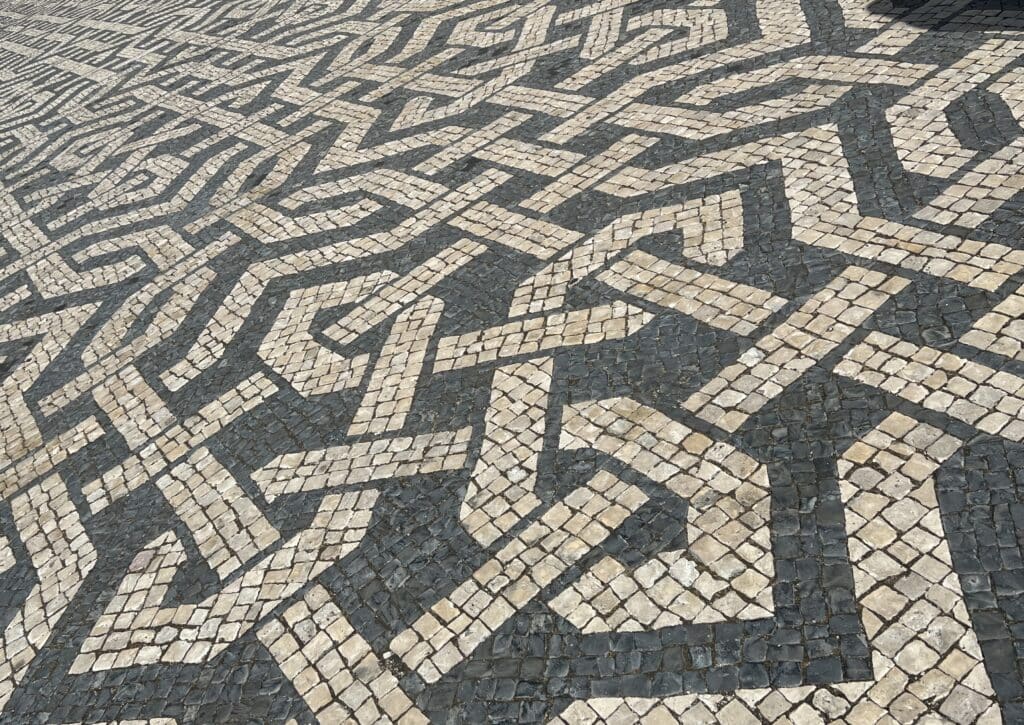
Packing Note: Portugal’s calçada portuguesa (the iconic stone mosaic pavement) is beautiful and relentless on your feet and rolling luggage. Pack comfortable walking shoes and consider carry-on only to navigate cobblestones without a large suitcase.
- The Toolkit: View my recommendations on the Travel Resources Page.
- The System: Go from overwhelmed to organized with my AI assistant + two fillable workbooks, The Confident Traveler
Where to Stay in Portugal
Lisbon: Stay in the Baixa or Chiado neighborhoods for central access to UNESCO sites in Belém and the hillside neighborhoods. The Alfama is atmospheric but hilly, so it’s charming if you’re prepared for the climb.
Porto: The Ribeira district puts you in the heart of the UNESCO historic center. Expect narrow streets and character-filled guesthouses. Alternatively, Vila Nova de Gaia across the river offers easy access to wine cellars and slightly lower prices.
Guimarães / Braga: Both cities are easily done as day trips from Porto, but staying overnight deepens the experience considerably. Guimarães in particular feels magical after the day-trippers leave.
General Tip: Booking directly with hotels (rather than through third-party sites like Expedia or Booking.com) gives you a direct relationship with the property, which matters enormously when travel disruptions happen. Historic pousadas (heritage hotels often set in converted monasteries or palaces) are especially worth booking direct for the best room selection.
Plan Your Portugal Trip with The Nerd Traveler
If you want to experience Portugal’s UNESCO heritage without the stress of managing all the logistics yourself, I offer custom travel planning built around your specific historical interests, travel style, and timeline.
Start Planning Your Custom Portugal Trip!
Portugal isn’t flashy, and that’s what makes it so powerful. History is tiled into train stations. Faith is sung up sacred staircases. And memory hangs in every alley that still echoes with footsteps from 800 years ago. Let this guide be your compass.