
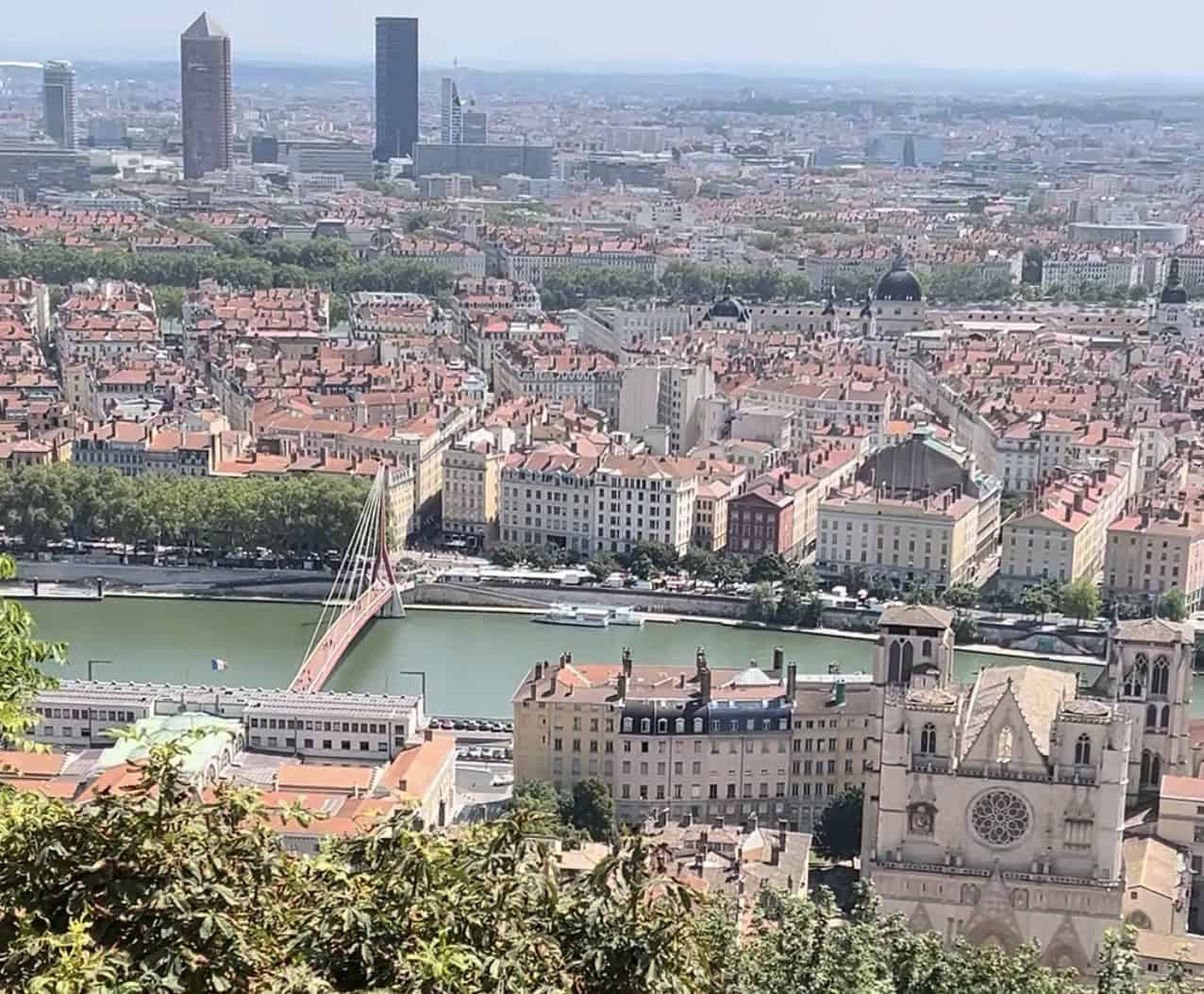
Is Lyon, France Worth Visiting? Pros, Cons & What to Expect
Is Lyon, France worth visiting? Absolutely. If you love history, architecture, art, and cities that reveal themselves slowly, Lyon deserves a prominent place on your France itinerary.
I did not necessarily think that when I first arrived.
My initial introduction to Lyon in the summer of 2024 was less than romantic. I arrived at the sprawling Lyon Part-Dieu train station, which was far busier, warmer, and more chaotic than I had anticipated. I had an Uber scheduled to meet me, walked out the wrong exit, and quickly realized I was on the completely opposite side of the station complex. Scrambling through traffic and crowds while surrounded by non-descript modern office blocks, Lyon initially felt far more industrial than charming.
Then I went to Vieux Lyon.
On my second day, I rode the funicular up Fourvière Hill, explored the ancient ruins and the soaring basilica, descended into the Renaissance old town, and eventually sat outside for dinner on a quiet cobblestone street. Someone nearby was playing acoustic guitar and singing while locals strolled past my table.
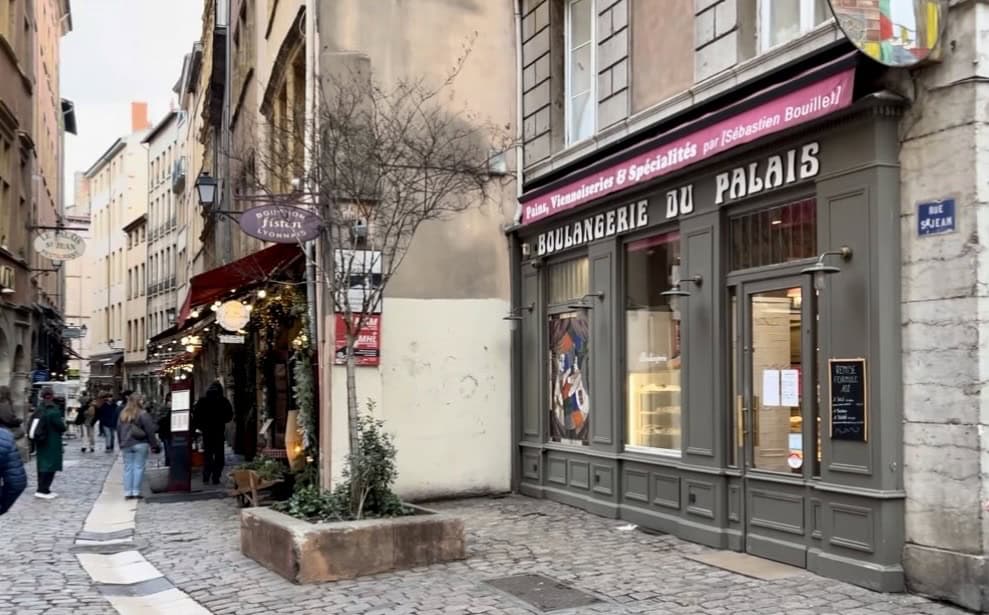

I remember sitting there thinking, I really wish I had more time here.
Lyon felt surprisingly intimate and local for such a major city. Paris had felt like a true, bustling metropolis. Lyon allowed me to slow down, breathe, and absorb my surroundings.
Before that first visit, I knew very little about Lyon’s Roman roots as Lugdunum, its rich silk-weaving trade, its secret traboules, or how fundamentally the Rhône and Saône rivers shaped daily life. That initial trip lasted only two nights, which proved far too short.
I returned in January 2026 to experience the city in a completely different season. After two visits across summer and winter, my recommendation is even stronger: if you travel to understand a destination’s culture, food, and history rather than just checking off famous photo ops, Lyon is well worth your time.
Who Will Love Visiting Lyon?
Lyon rewards curious travelers who enjoy uncovering layers of history. It is an ideal fit if you fall into one of these categories:
- History Buffs: Centuries before modern France existed, Lyon served as the capital of Roman Gaul. You can still sit on the stone benches of ancient Roman theaters overlooking the modern skyline.
- UNESCO Explorers: Lyon’s UNESCO World Heritage designation isn’t confined to a single cathedral or monument. It encompasses four distinct, contiguous neighborhoods, allowing you to walk straight through 2,000 years of urban development.
- Culinary Travelers: Food here is deeply tied to civic identity. From historic neighborhood bouchons and bustling indoor halls to the legacy of the mères lyonnaises and iconic chef Paul Bocuse, Lyon earns its reputation as France’s gastronomic capital.
- Architecture Enthusiasts: You can wander through Renaissance courtyards in Vieux Lyon, admire 19th-century industrial silk-worker apartments in Croix-Rousse, and explore grand classicist plazas on the Presqu’île all in a single afternoon.
- Slow Travelers: Lyon delivers big-city amenities – world-class museums, efficient transit, and exceptional dining – without the high-pressure, frantic pace of larger European capitals.
Who Might Want to Skip Lyon?
While I love the city, Lyon will not be the right choice for every travel style:
- First-timers seeking iconic landmarks: If your dream trip to France is built around instantly recognizable monuments like the Eiffel Tower, the Louvre, or Mont-Saint-Michel, Lyon’s subtle charm may feel too low-key.
- Travelers who prefer self-explanatory sights: A hidden traboule can look like an ordinary apartment hallway unless you know it served as a Renaissance silk-conveyance passage and a WWII Resistance hiding spot. Lyon rewards visitors who like a bit of context.
- Cold-weather averse travelers: During my January trip, bitter winds blowing off the Rhône and Saône rivers made the city feel icy, and I even encountered snow. Winter visits require serious layering.
What Makes Lyon Worth Visiting? 5 Key Highlights
1. Remarkable Roman History Hidden in Plain Sight
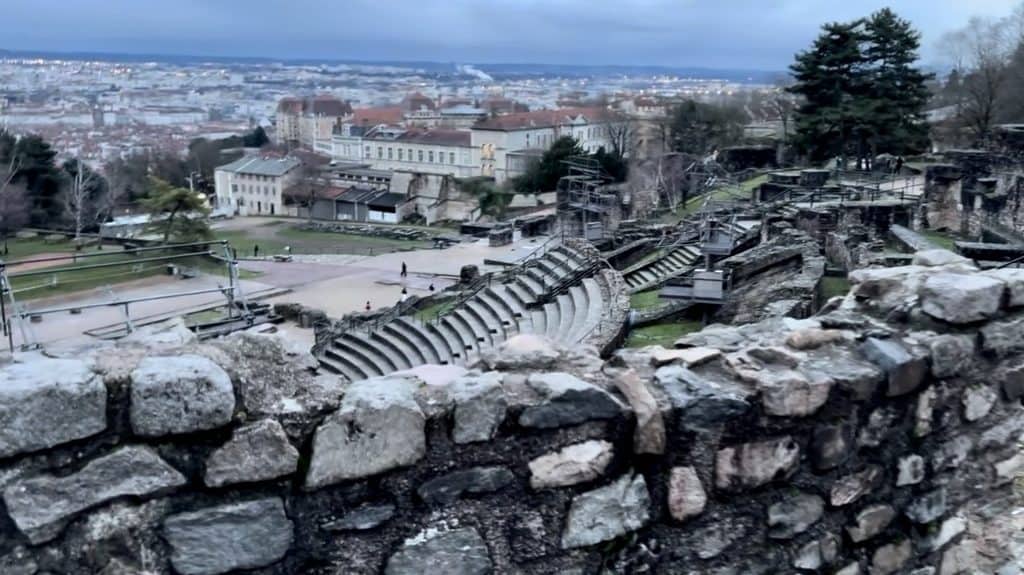
Long before there was Vieux Lyon or the silk industry, there was Lugdunum. Founded by the Romans on Fourvière Hill in 43 BC, the city occupied a dominant strategic position controlling trade along the Rhône and Saône rivers.
On my second visit, I spent an afternoon exploring the Ancient Theatre of Fourvière and the adjacent Odeon. Standing among stone ruins built two millennia ago while looking out across the modern city grid below is breathtaking.
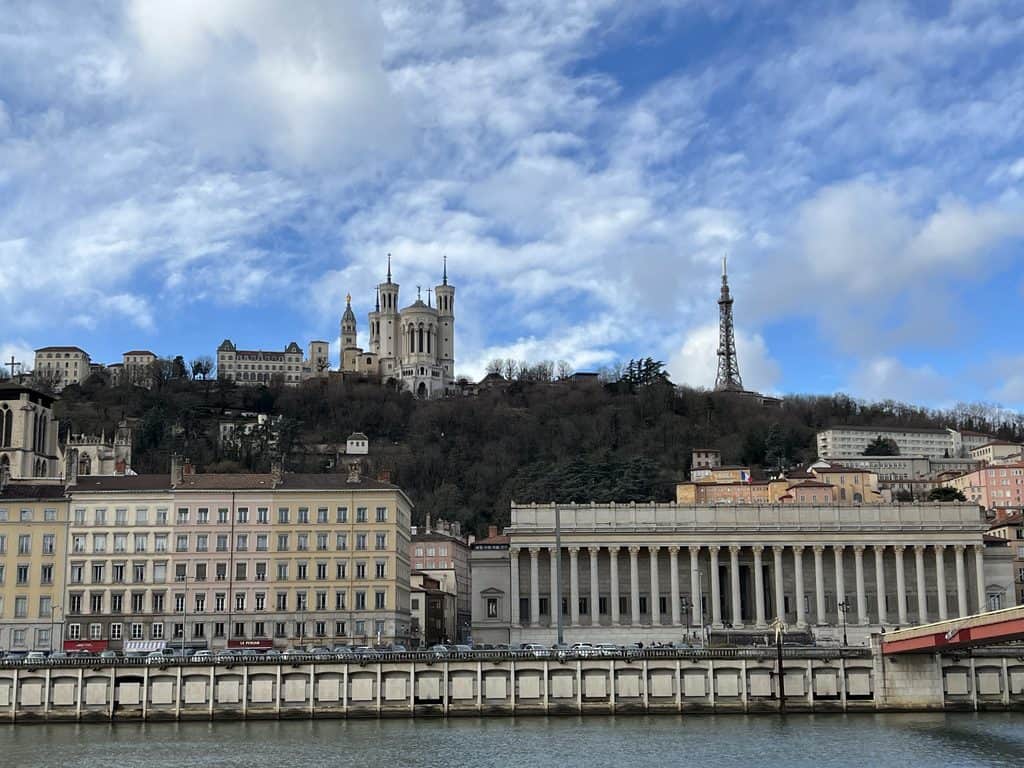
What makes Lyon’s Roman heritage special is how integrated it remains. The ruins aren’t isolated miles out in the countryside; they sit right alongside the 19th-century Basilica of Notre-Dame de Fourvière. Within a 10-minute walk, you move from Roman Antiquity to 1800s grandeur, then take the funicular directly down into the Renaissance streets of Vieux Lyon.
2. UNESCO World Heritage You Can Walk Through
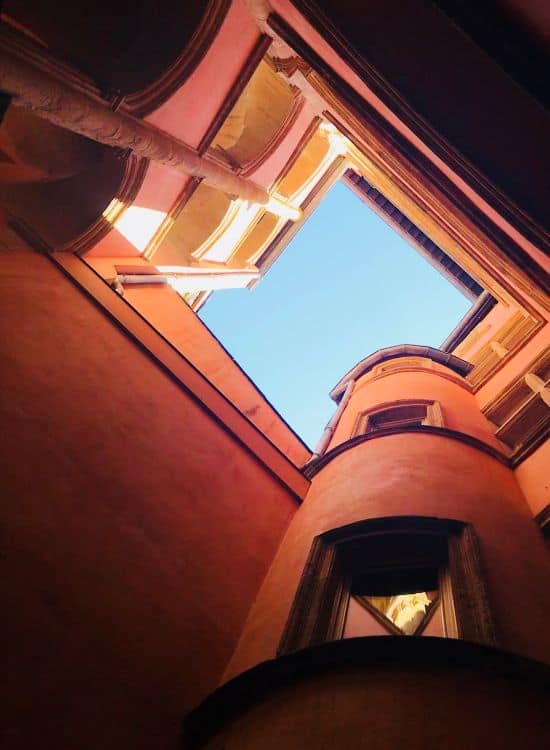
Lyon’s UNESCO status recognizes a continuous pattern of urban life spanning over two centuries. Rather than preserving one single era, the historic site covers Fourvière, Vieux Lyon, the Presqu’île, and Croix-Rousse.
Vieux Lyon is famous for its traboules, which are covered architectural passageways running directly through private residential buildings and courtyards. Originally constructed so silk weavers could move heavy bolts of fabric between streets without exposing them to rain, these labyrinthine secret routes later proved invaluable to the French Resistance during World War II.
3. Food Rooted in History and Geography
Lyon’s culinary fame didn’t happen by accident. Positioned between the agricultural abundance of Burgundy to the north and the rich produce of the Rhône Valley to the south, the city naturally became a trading post for exceptional ingredients.
The city’s dining landscape is built on distinct historic traditions:
- The Mères Lyonnaises: In the late 19th and early 20th centuries, female domestic cooks left wealthy households to open their own casual bistros, establishing the unpretentious, flavor-forward foundation of Lyonnaise cooking.
- Bouchons: Traditional, rustic eateries serving hearty regional dishes like quenelles de brochet (pike dumplings in crayfish sauce) and salade lyonnaise.
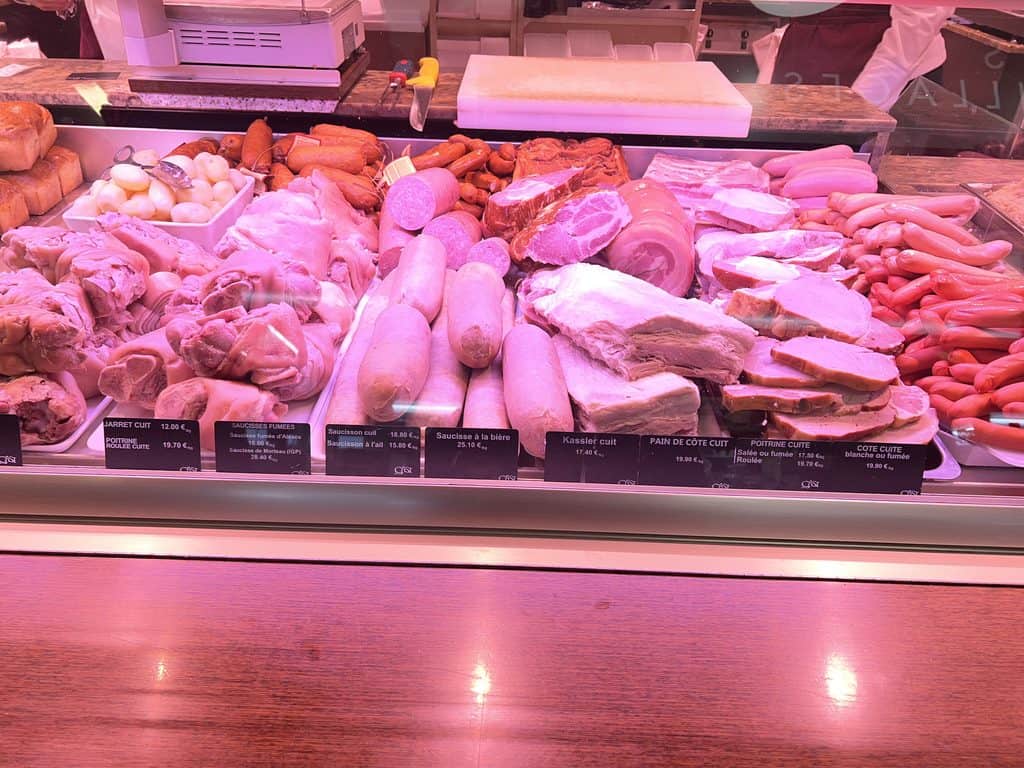
- Paul Bocuse & Les Halles: Chef Paul Bocuse brought Lyonnaise cuisine to the global stage starting in the late 1950s through the early 2000s. Today, you can visit Les Halles de Lyon Paul Bocuse, a massive indoor covered market packed with artisan cheesemongers, charcutiers, and wine stalls.
4. Effortless Public Transit & Walkability
Getting around Lyon without a car is refreshingly easy. The city center is framed by its two rivers, making orientation straightforward: Fourvière and Croix-Rousse sit on the western and northern hills, while the flat Presqu’île peninsula sits in the middle.
The public transit system connects these districts seamlessly:
- Funiculars: Two funicular lines climb Fourvière Hill, saving your legs from steep uphill hikes.
- Trams & Metro: Clean, fast, and frequent connections link outer hotels to central plazas like Place Bellecour.
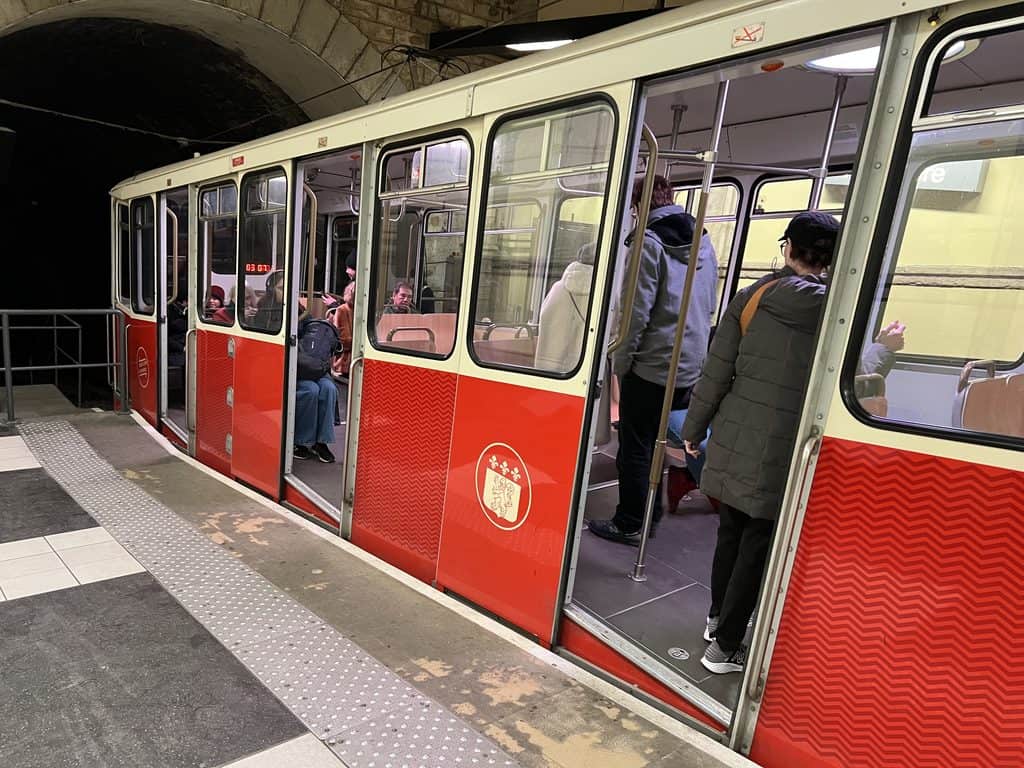
Money-Saving Tip: If you plan to visit multiple museums and take public transit daily, purchase the Lyon City Card. It includes unlimited access to buses, trams, metros, and funiculars, plus free entry to over 20 top museums (including the Musée des Confluences and the Lumière Institute).
5. A Far More Relaxed Pace Than Paris
Paris is magnificent, but it can feel non-stop. There is always another major landmark across town, another massive queue, and another item competing for your time.
Lyon provides high-level culture with room to breathe. The historic center is compact enough that you can easily wander through Vieux Lyon, enjoy a long, multi-course lunch at a bouchon, and sit by the riverbank without feeling like you are falling behind on a strict sightseeing schedule.
How Many Days Do You Need in Lyon?
For a first visit, 3 full days is the sweet spot.
On my first trip in 2024, I stayed for only two nights, and it felt frustratingly rushed. When I returned in January 2026, my group booked four days to allow for deeper exploration. However, travel doesn’t always go as planned; all of us in our group got sick, trimming our actual sightseeing time down to about a day and a half!
Even with that hiccup, having multiple days kept the trip enjoyable rather than stressful.
3-Day Lyon Snapshot
- Day 1: Fourvière & Vieux Lyon – Ride the funicular up Fourvière Hill to see the Roman theaters and Notre-Dame Basilica. Walk down into Vieux Lyon to explore hidden traboules and end with dinner at a traditional bouchon.
- Day 2: Presqu’île & Les Halles – Start with a food tour or lunch at Les Halles de Lyon Paul Bocuse, walk across Place Bellecour, explore the shops, and stroll along the Saône riverbanks.
- Day 3: Croix-Rousse & Museum Day — Explore the hilltop silk-workers’ neighborhood of Croix-Rousse, visit the Maison des Canuts, and spend the afternoon at the Musée des Confluences or the Lumière Institute.
Have 4 or More Days?
If you have extra time, Lyon serves as a fantastic rail hub for regional day trips into Burgundy, the French Alps, or neighboring medieval villages.
When is the Best Time to Visit Lyon? (Season-by-Season)
Having visited Lyon in both peak summer (July 2024) and deep winter (January 2026), I have experienced just how dramatically the city’s mood shifts with the weather. While summer and winter both have distinct appeals, shoulder seasons like spring and fall are widely considered the sweet spots for weather and food lovers.
Here is what to expect in Lyon throughout the year:
Spring (March – May): Best for Mild Weather & Blooming Parks
Spring brings mild, pleasant temperatures (averaging 55°F to 68°F / 13°C to 20°C) and fewer tourist crowds than peak summer.
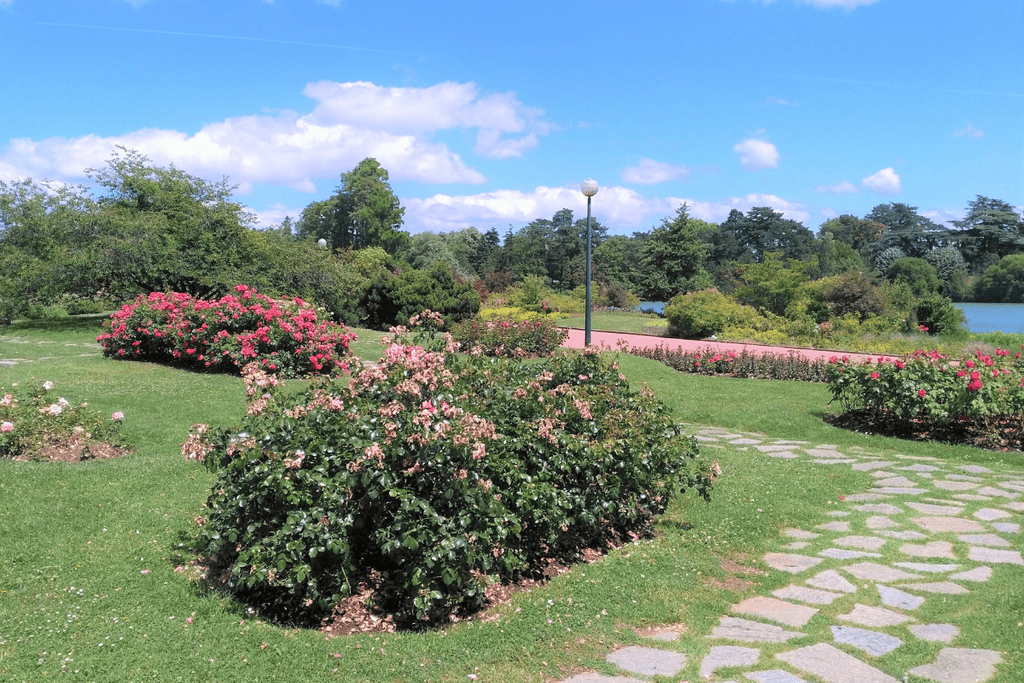
- Why Visit: Outdoor terrace dining starts coming back to life along the Saône riverbanks, and the historic cobblestone streets of Vieux Lyon are comfortably cool for long walking days. It is also the ideal season to visit Parc de la Tête d’Or, Lyon’s famous 290-acre urban park, right as its botanical gardens and massive rose garden come into bloom.
- Good to Know: April can bring unexpected rain showers, so pack a light waterproof jacket and comfortable walking shoes.
Summer (June – August): Best for Long Days & Outdoor Living
My first visit in July 2024 coincided with the Paris Olympics. While sunny and warm (75°F to 88°F / 24°C to 31°C), Lyon felt much more comfortable than southern cities like Marseille.
- Why Visit: Sunlight stretches well past 9:30 PM, giving you endless daylight to wander through neighborhoods, ride the funicular, and sit outside for evening drinks along the Rhône and Saône river barges (péniches).
- Good to Know: July and August bring peak summer tourism, higher hotel rates, and hot afternoons. Make lunch reservations for popular bouchons in advance.
Fall (September – November): Best for Foodies & Wine Lovers
If you travel primarily for food, architecture, and cozy autumn light, fall is arguably the single best time to visit Lyon.
- Why Visit: September marks the grape harvest in the neighboring Beaujolais and Northern Rhône wine regions, making autumn the ultimate season for food and wine enthusiasts. Temperatures drop to a crisp, comfortable 50°F to 65°F (10°C to 18°C), creating the perfect atmospheric backdrop for ducking into warm, wood-paneled bouchons for hearty Lyonnaise stews.
- Good to Know: Daylight hours shorten significantly by late October, and November brings crisper, damp weather heading into winter.
Winter (December – February): Best for Festive Lights & Fewer Crowds
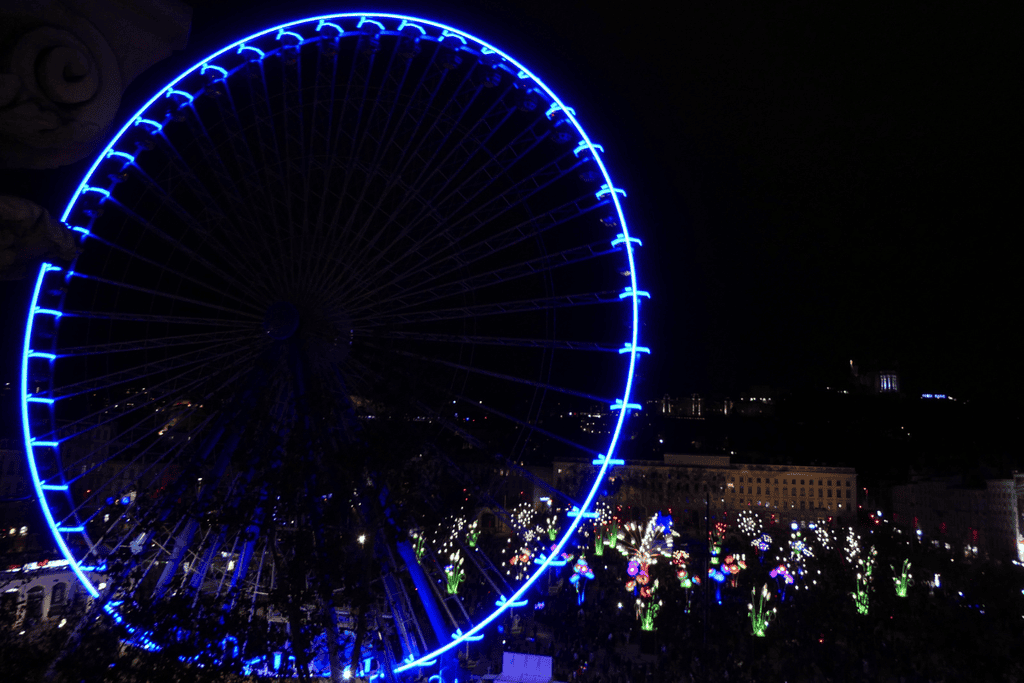
January was a completely different experience for me. Lyon was cold (32°F to 45°F / 0°C to 7°C), and the wind coming off the two rivers made the cold feel sharp and biting.
- Why Visit: December opens with Lyon’s world-famous Fête des Lumières (Festival of Lights), where light designers illuminate buildings, bridges, and plazas across the city.
Throughout winter, major museums have virtually no lines, and the hearty, meat-forward Lyonnaise cuisine hits even better when it’s chilly outside. - Good to Know: Bring a serious wind-resistant coat, scarf, and warm layers. January and February can also bring occasional snow.
Seasonality Comparison
| Season | Highlights & Vibe | Weather & Considerations | Best For |
| Spring (Mar–May) | Blooming parks, outdoor terraces reopening, manageable crowds. | Mild (55°F–68°F), occasional spring rain showers. | Sightseeing, walking, visiting parks. |
| Summer (Jun–Aug) | Long daylight hours, vibrant river barge nightlife, warm outdoor dining. | Warm/hot (75°F–88°F), peak tourist crowds and higher hotel rates. | Long days, outdoor events, summer vibes. |
| Fall (Sep–Nov) | Regional wine harvest season, stunning autumn light, cozy food weather. | Crisp (50°F–65°F), dropping daylight and cooling breezes by Nov. | Foodies, wine lovers, comfortable walking. |
| Winter (Dec–Feb) | Festive December light festival, zero museum queues, cozy bouchon culture. | Cold (32°F–45°F), sharp river winds, potential snow. | Budget travel, winter charm, avoiding crowds. |
Where to Stay in Lyon: Presqu’île vs. Suburbs
Location impacts how easily you can explore the city on foot. Having tried two very different setups, here is how they compare:
Staying Centrally: The Presqu’île (Recommended)
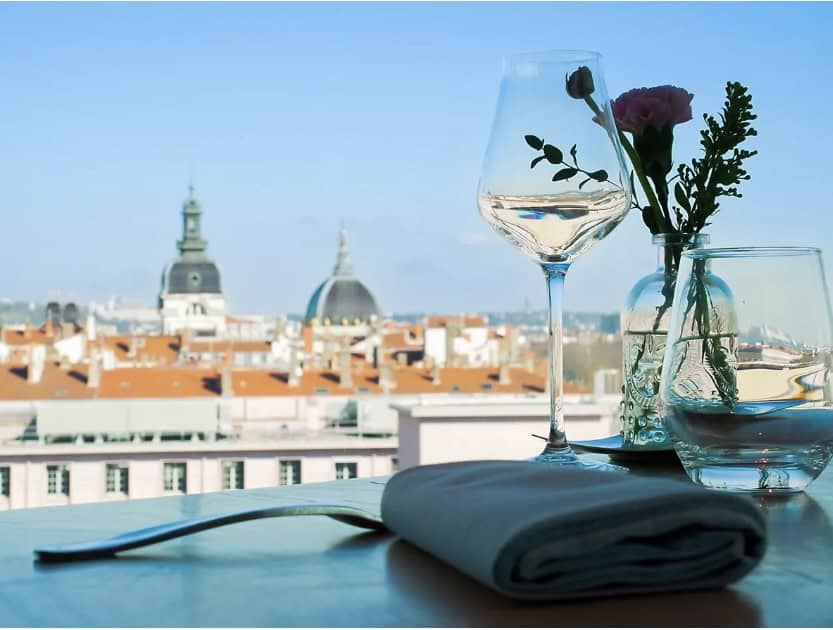
On my second visit, I stayed at the Sofitel Lyon Bellecour, situated right on the peninsula between the Rhône and Saône rivers. Being centrally located transformed my experience. I could walk directly into Vieux Lyon, cross over to the river pathways, and reach public transit hubs in minutes. The hotel’s top-floor breakfast room offered incredible panoramic morning views over the city rooftops stretching toward the hills.
Staying Out of the Center: The Suburbs
During my first trip for the 2024 Olympics, I stayed farther out at the DoubleTree by Hilton Lyon Eurexpo to use hotel points and stay close to the stadium. While it wasn’t ideal for pure sightseeing, Lyon’s tram system made commuting into the historic core surprisingly painless. If a suburban hotel saves you significant money, public transit makes it a viable option.
Practical Downsides to Keep in Mind
To set realistic expectations, keep these minor drawbacks in mind before booking:
- Lyon Part-Dieu Train Station can be confusing: The main station has exits on opposite sides (Villette and Vivier-Merle). Double-check your pickup point or metro line before exiting to avoid unnecessary backtracking.
- The city rewards historical context: Many of Lyon’s best details, like the unmarked traboules, historic silk architecture, and Roman heritage, aren’t immediately self-explanatory. Reading up beforehand or taking a guided walking tour enhances the experience immensely.
- Winter river winds are sharp: If visiting between December and February, bring a wind-resistant coat, scarf, and layers. The wind coming off the two converging rivers drops the ambient temperature quickly.
Final Verdict: Is Lyon Worth It?
Yes, Lyon is absolutely worth visiting.
What stayed with me after two trips is how much depth lies beneath the surface. It is a city where you can explore 2,000-year-old Roman ruins in the morning, duck through Renaissance secret passages in the afternoon, and sit down to an unforgettable regional meal in the evening.
If you are planning your first trip to France, Lyon pairs beautifully with Paris to give you a richer, multi-faceted look at French culture. If you have already visited Paris, Lyon should move straight to the top of your destination list.
Ready to Plan Your Trip to Lyon?
If you want help building a custom itinerary for France—whether balancing Paris, Lyon, or regional stops in Provence and Burgundy—I offer custom trip planning services for culturally curious travelers.
- Explore my Custom Travel Planning Services to learn how we can work together.
- Or reach out directly through my Trip Planning Request Form and I can start designing your tailor-made France itinerary.